
Sex has become a controversial topic in our current social and political atmosphere. These conversations are steeped with misconceptions, formed from religious and political prejudice. People often see sex as binary, with ‘male’ and ‘female’ as the only options. They see it as a biological fact, citing chromosomes and genetics as an unchangeable certainty. This, however, could not be further from the truth.
Researchers have discovered that sex is better described as a complex, dynamic spectrum that is affected by several different biological factors. The binary view of sex is a simplified version often taught to middle school children, but the biology of sex is far more elaborate. Scott Gilbert, author of Developmental Biology, states that “testis and ovary development are active processes” (Gilbert, 2000). You are not conceived and suddenly become a male or a female. Several different processes must occur to develop a typical male or female fetus. Sometimes these processes do not function as intended, creating a new sex outside the historical binary. These are known as differences in sexual development or intersexuality, and their existence completely disproves the biological sex binary that so many people have used as an excuse for discrimination.
History of Intersexuality
Differences in sexual development (DSD) are defined as “a group of rare conditions involving genes, hormones and reproductive organs, including genitals.” In simple terms, being intersex means your sex characteristics and development vary from the majority of the population (NHS, 2023). Historically, these people were often treated as a point of shame for their families. They did not meet the ‘norms’ of a church-controlled society so they were often ostracized. Their intersexuality was treated as a curse from a deity in some religions, so they were abandoned by their communities (Simiskey, 2021). Even as our understanding of sex deepened, the shame led to a treatment plan focused on concealment (National Academies of Sciences, Engineering, and Medicine et al., 2022, pp. 139–140).
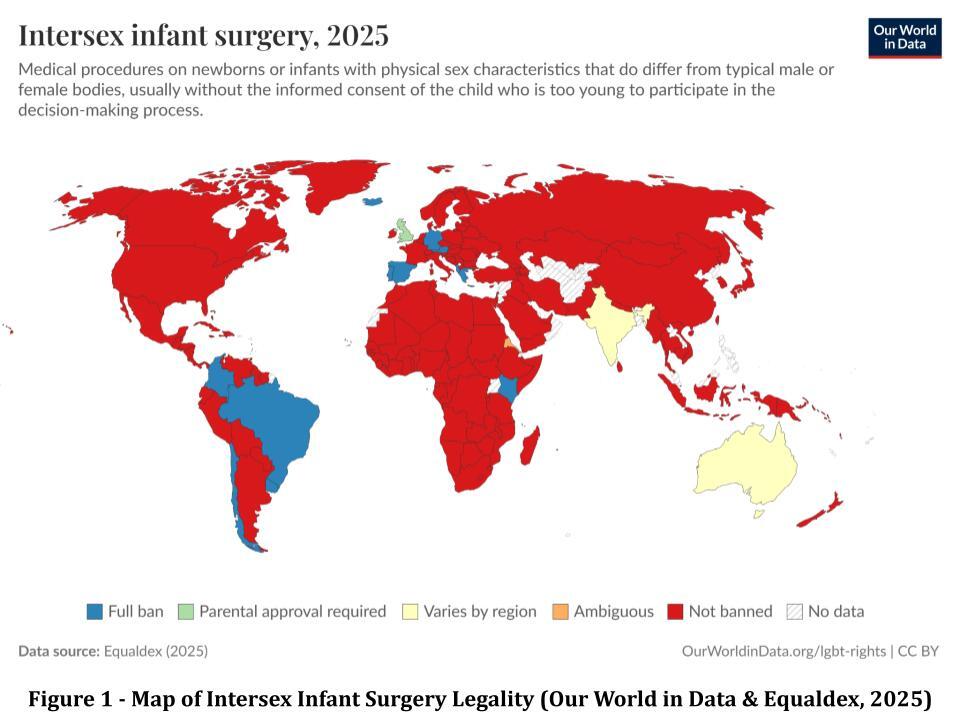
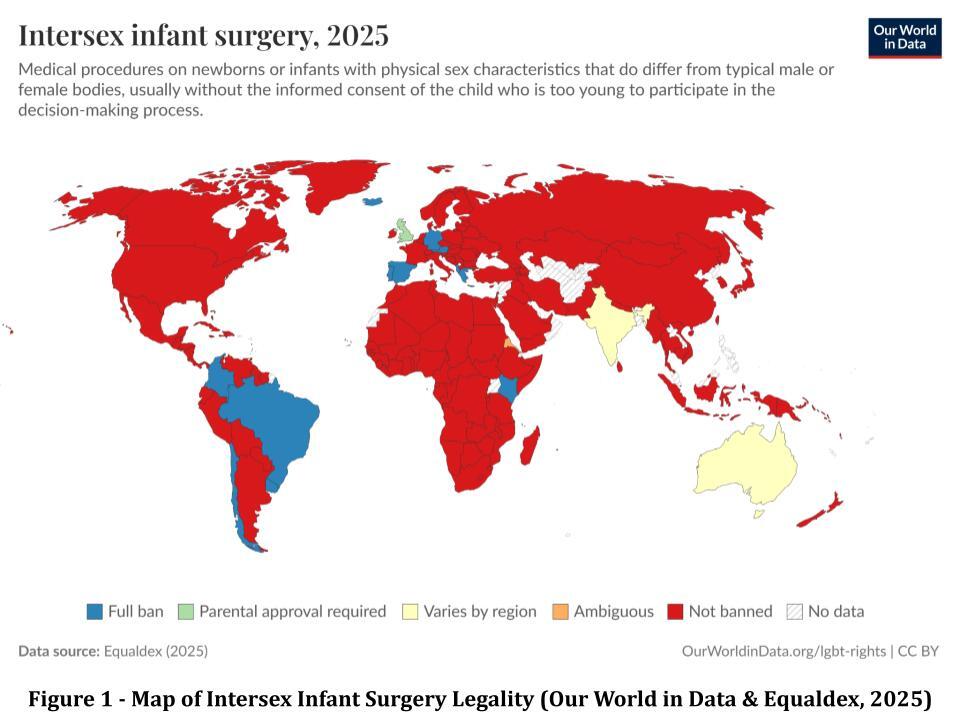
Intersex children were given a number of different surgeries to match their external genitalia to that of a male or female. Infants were subjected to clitoridectomies, vaginoplasties, and gonadectomies (Ismail & Creighton, 2005) before the age of 2, resulting in permanent scarring, chronic pain, and infertility (Cohen, 2021). Doctors removed this information from intersex patients’ medical histories to hide their conditions. Fortunately, around 2006, treatment began drifting away from this harmful precedent and towards a place of understanding. Doctors began educating patients on their intersexuality and the medically unnecessary surgeries on infants are slowly being phased out (National Academies of Sciences, Engineering, and Medicine et al., 2022, pp. 139–140).
As intersex people began sharing their stories, they continued to face social ostracization in their day-to-day lives. This led to intersex being added to the LGBTQ+ umbrella (National Academies of Sciences, Engineering, and Medicine et al., 2022, pp. 139–140). The acronym is often lengthened to LGBTQIA+ to reflect this. Being included in the LGBTQ+ community gave intersex people a place they felt like they belonged, but it also brought political beliefs into the mix. People began ignoring the scientific evidence of intersexuality simply because it was now a part of the LGBTQ+ community. This led to the suppression of intersexuality, similar to the pre-2006 era, to further a political agenda (Alling, 2025).
Intersexuality is not a political debate, as some politicians would have you believe. It is a biological fact that cannot be ignored when discussing sex. Two main forms of intersex conditions are discussed in conversations about sex: physiological and hormonal. To understand how these conditions occur and how they disprove the binary, however, we must first understand how sex develops in a process known as sex differentiation.
Genetics
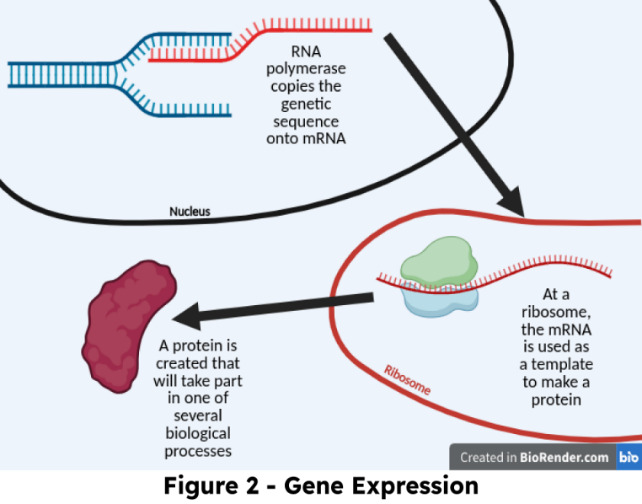
Like most things with biology, sex is determined by genetics. Deoxyribonucleic acid (DNA) is often referred to as the blueprint of the human body, as it contains all of the genetic information necessary for day-to-day function and development. DNA contains sequences of nucleotides, known as genes, responsible for every part of a person’s phenotype (physical appearance). Genes code for proteins that affect the body or control other genes in a process known as gene expression (MedlinePlus, 2024).
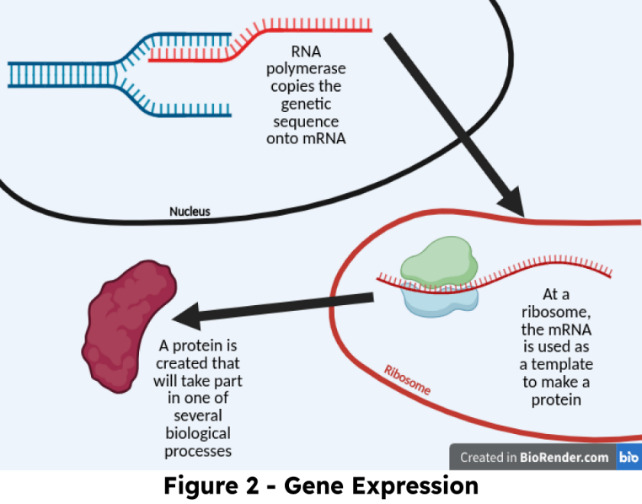
DNA is unable to leave the nucleus of the cell, where it resides. To obtain the genetic code to make a specific protein, enzymes within the nucleus create a messenger RNA molecule (mRNA) using the DNA as a template in a process called transcription. The mRNA then exits the nucleus and enters an organelle called a ribosome. Here, the mRNA serves as a blueprint for the creation of a protein. The ribosome assembles a protein by connecting different amino acids based on the mRNA sequence. This is known as translation (Gene Expression, 2017).
A key trait of DNA is that it is passed down from generation to generation through chromosomes. A chromosome is a coiled strand of DNA that is not visible even through a microscope. There are two types of chromosomes: autosomal and sex chromosomes. Humans have two copies of each chromosome, known as homologous chromosomes, for a total of 23 pairs of chromosomes. These homologous chromosomes contain the same genes but often different versions of them, which are referred to as different alleles. 22 of these pairs are considered autosomal and the last pair are the sex chromosomes. Doctors often use an image of all of the chromosomes, called a karyotype, to assess possible chromosomal disorders. As the name suggests, sex chromosomes contain genes that affect sex differentiation (Chromosomes Fact Sheet, 2020).
Sex chromosomes are split into two types, X and Y. The X chromosome is large and contains a lot of genes, not just those related to sex differentiation. The Y chromosome is much smaller by comparison and almost exclusively contains genes related to sex differentiation. Humans have two sex chromosomes and the combination of them determines their biological sex. XX leads to a female while XY leads to a male (Gilbert, 2000). A fetus will always get an X chromosome from the mother and either an X or Y chromosome from the father (Urry et al., 2017, p. 298).
Certain genes on sex chromosomes cause the development of sex organs, such as testes or ovaries. One example is the SRY gene, located on the Y chromosome. This gene is essential for male sex differentiation in mammals, being responsible for testes development and the activation of other sex-related genes. The SRY gene activates the gene expression of SOX9 and SF1 to aid in testes development. It is also responsible for suppressing the expression of the ovary-determining genes DAX1 and WNT4 when it is present. It is important to realize that the chromosomes do not determine sex, but the genes located on them. Additionally, not all sex-related genes are located on the sex chromosomes. SOX9, for example, is located on an autosome (Gilbert, 2000).
Reproduction
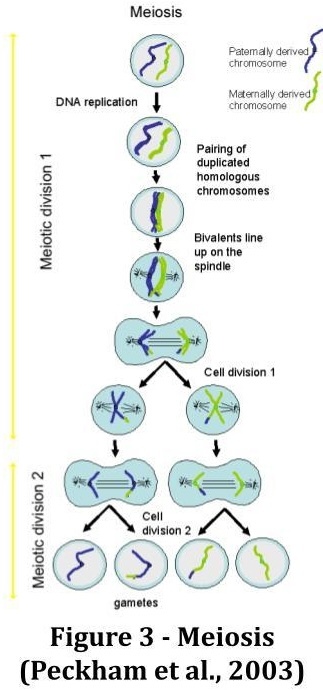
As stated earlier, genetic information is passed down in the form of chromosomes. Half of this information comes from the egg cell (maternal DNA) and the other half comes from the sperm (paternal DNA). The combination of the two cells in a process called fertilization creates a new set of genes unique from the parents’. After fertilization, the egg will implant itself in the uterus where it will continue to grow into a fetus. But sex determination doesn’t begin with fetus development. It starts all the way back in the parents’ body, during a process called meiosis.
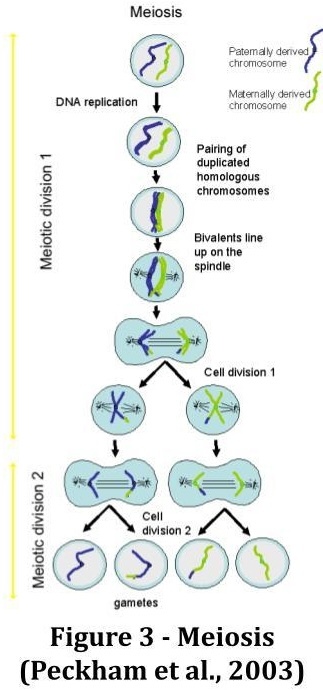
Meiosis is a form of cell division that occurs with sex cells, such as an egg or a sperm. Female bodies produce egg cells while male bodies produce sperm cells. Regardless of the type of sex cell, though, the process of meiosis is the same. It begins with a single cell, containing the full genetic makeup of the person known as their genome. The cell duplicates its chromosomes and splits in half, creating two different cells. Those cells then split again, without duplicating chromosomes, resulting in a total of four ‘daughter’ cells. Cells produced by meiosis are called haploid cells, as they only contain half the number of chromosomes humans need (Urry et al., 2017, pp. 260–265).
These haploid cells are not identical, however. An important concept in biology is the prioritization of genetic diversity. Genetic diversity ensures variety among populations by keeping several different versions of genes in the gene pool. It prevents one harmful gene from taking over an entire species and wiping them out, as well as allowing new species to develop. During meiosis, several steps occur to maintain genetic diversity for the next generation (Urry et al., 2017, pp. 452–457).
When the cell divides the first time, referred to as Meiosis I, the homologous chromosomes split up between the two daughter cells. They are randomly distributed, ensuring each daughter cell contains a new genome. Typically, the chromosomes split equally, with each daughter cell getting one copy of each pair of homologous chromosomes. Issues with the distribution of homologous chromosomes, such as gaining an extra copy or losing an essential copy, can cause several disorders, such as trisomy of chromosome 21, better known as Down Syndrome. This uneven division can also occur with the sex chromosomes, resulting in individuals with XXX, XXY, or XYY chromosomes (Urry et al., 2017, pp. 260–265).
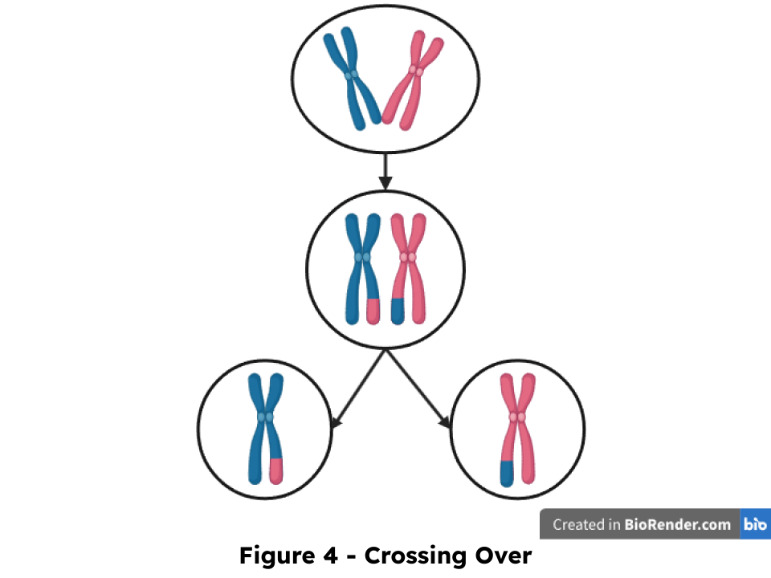
Another process known as crossing over also happens during this time. Crossing over is the main mechanism for genetic diversity during meiosis. Homologous chromosomes become entwined with one another, resulting in the transfer of genes from one chromosome to the other, as shown in Figure 4. It is most prevalent on autosomes but can also arise on sex chromosomes (Urry et al., 2017, pp. 260–265). This is one of the main causes of intersex conditions.
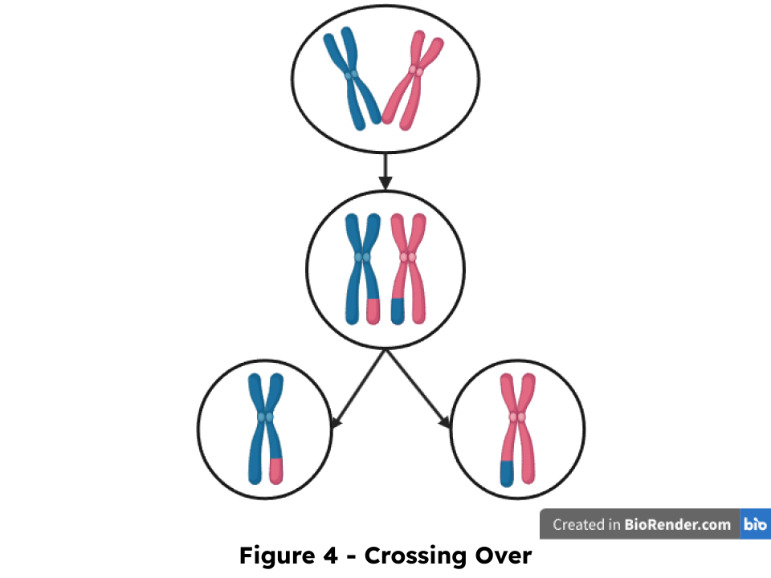
Crossing over creates new chromosomes that are different from the initial genome, greatly increasing the genetic diversity. The cell splits again during Meiosis II and random assortment ensures the creation of four unique haploid daughter cells. This process occurs either while in utero for egg cells or in the testes for sperm cells. In order to produce a new human being, these cells must meet and undergo fertilization. This can happen through sexual intercourse or processes such as artificial insemination (Urry et al., 2017, pp. 260–265).
Fertilization takes place when a sperm cell fuses with an egg cell. This combines the genetic information from the two haploids to create a new genome. This genome contains genes from both parents, randomly distributed from meiosis. More specifically, it contains one sex chromosome from each parent. Since females typically have XX chromosomes and males have XY, this new genome will get an X chromosome from mom and either an X or a Y from dad (Urry et al., 2017, pp. 255–256). This is the main mechanism that determines the sex of the developing fetus through the gene expression of hormones.
Hormones
The gene expression of sex-related genes creates proteins and organs that influence the development of hormones. Hormones are defined as “chemical messengers that coordinate different functions in your body”. In general, hormones trigger chain reactions in the body that end in a biological process or change. They are produced by the organs of the endocrine system, such as the hypothalamus, pancreas, and several endocrine glands (Cleveland Clinic, 2022).
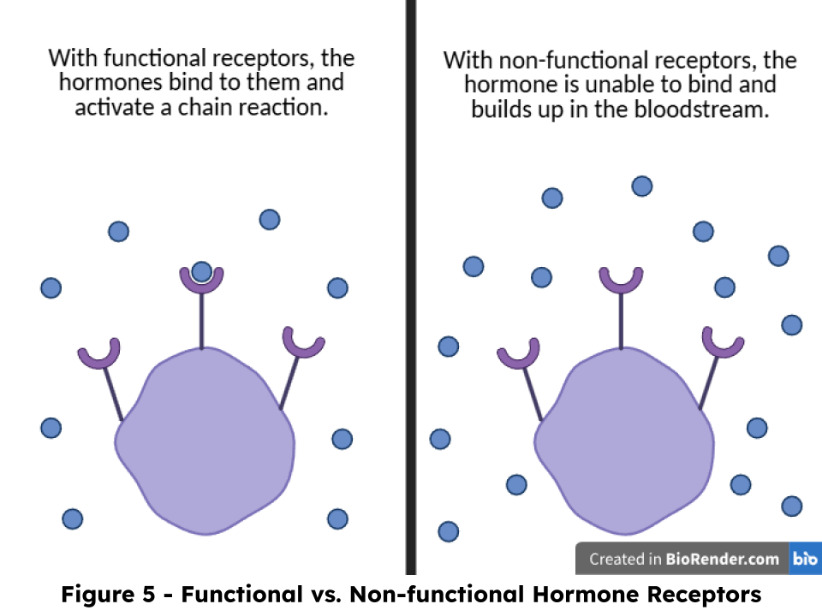
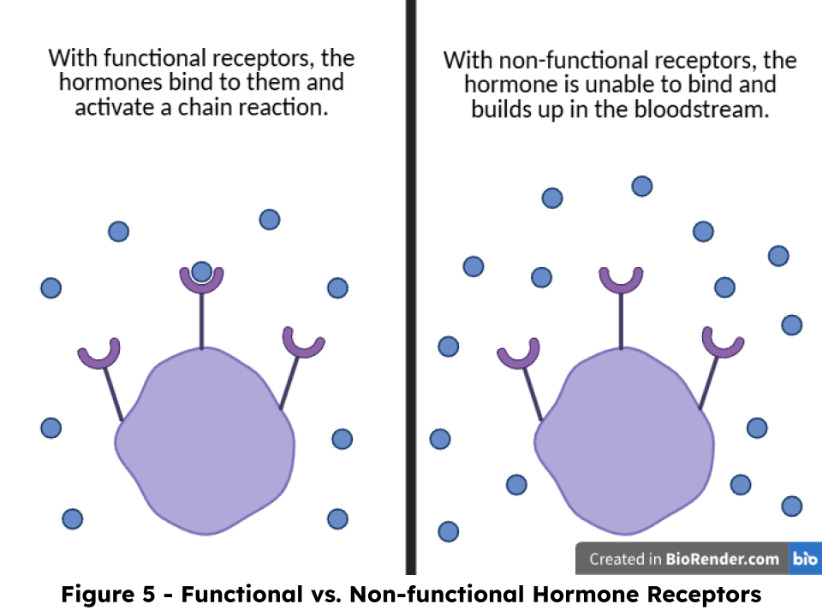
Hormones work through receptors. After being secreted by endocrine organs, they travel through the bloodstream until they reach their target cell. The hormone will bind to its matching receptor, located on the membrane of the cell, activating the pathway connected to it. This initial activation is followed by a chain reaction, activating other pathways to create the final effect. This happens in a split second, allowing the body to use hormones to adapt and change at a moment’s notice. However, issues with the receptors can cause a lack of response from the hormone. This can be caused by genetic mutations that reduce a receptor’s binding capabilities or a general decay in the receptor’s function due to age (Hormonal (Endocrine) System, 2014).
Genes like SRY or DAX1 trigger the development of testes or ovaries, which are organs of the endocrine system, which then go on to secrete sex hormones. The gene expression of these genes can also affect the levels of sex hormones in the body. There are four main types of sex hormones: estrogen, testosterone, and progesterone. Testosterone is an androgen and is considered the ‘male’ sex hormone while estrogen and progesterone are essential for female development and menstruation. Everyone requires a certain level of each of these to function properly, but exposure to certain levels during development can change sex differentiation. A person’s sex hormone levels are especially crucial in utero (Davidge & Solorzano, 2022).
Fetus Development
Once fertilization has occurred, the egg, now containing a full set of chromosomes, implants itself into the uterine wall. The fetus will grow and develop inside of the uterus for about nine months before being born into the world. Female and male fetuses develop identically until around seven weeks, which is when the presence of the SRY gene activates testes development. It takes about two weeks for the testes to begin producing testosterone. This finalizes male development of the external genitalia, reproductive tract, and brain. Internally, testosterone triggers the development of the Wolffian duct, which will go on to form male internal genitalia (Wizemann & Pardue, 2001, pp. 45–78).
Female fetuses follow a different path. Traditionally female hormones are not required for the development of ovaries or other reproductive organs. Without the SRY gene, there is nothing to trigger testes development, so the fetus develops ovaries instead. All fetuses, regardless of chromosomal makeup, will develop as females without the SRY gene. This is because of the physiological and hormonal changes that the gene causes in a developing fetus. For example, without the presence of testosterone, the Müllerian duct grows into female internal genitalia due to estrogen. Testosterone would destroy the Mullerian duct and trigger development of the Wolffian duct instead (Wizemann & Pardue, 2001, pp. 45–78).
To say that one of these factors is the ultimate determining factor of sex would be reductive to human biology. The careful combination of them is what causes sexual development in either direction. This is what makes sex a spectrum as opposed to a binary. With three main modes of sex differentiation, genetic, physiological and hormonal, there is always going to be an intermediate state based on different combinations of the three. Each of them influences each other, sure, but each can be modified separately and independently.
An example of this is mixed-sex twins and their hormonal transfer. As both twins develop in the womb, the male twin will produce testosterone as per their development. However, some of the testosterone may be transferred to the female twin, resulting in the partial masculinization of the fetus. The female twin will still have XX chromosomes and ovaries but may possess other typically male features such as male genitalia. This is just one of many intersex conditions that display the complexity of human sex (Wizemann & Pardue, 2001, pp. 45–78).
Disorders
As mentioned at the beginning of this paper, there are two main types of intersex disorders or Differences in Sexual Development (DSD), defined by their causes. The first is chromosomal, which results from chromosomal abnormalities that arise from meiosis. These can also be caused by point mutations, which can change the sequence of a gene and create a non-functional protein. The second is hormonal, which is often an issue related to the receptors or secretors of sex hormones.
The most common hormonal DSD is known as Androgen Insensitivity Syndrome (AIS). In AIS, the testosterone receptors do not function as they should, resulting in a lack of response from the hormone’s secretion. This will change the way the fetus develops as well as cause some changes during puberty. There are two different types of AIS: Complete Androgen Insensitivity Syndrome (CAIS) and Partial Androgen Insensitivity Syndrome (PAIS). Patients with CAIS are not affected by testosterone at all and therefore will develop as female despite possessing the SRY gene, with the exception of a uterus. Patients with PAIS, however, will be partially affected by it and therefore have a mixed genital presentation at birth (NHS, 2024).
Another type of hormonal DSD is Kallmann syndrome. Kallmann syndrome is caused by a lack of sex hormones necessary for puberty. While genitals will typically match the chromosomal makeup of a patient, their secondary sex characteristics will be delayed or never develop. Patients also experience a lessened or absent sense of smell. It is related to point mutations in various genes in the brain that control hormone development (MedlinePlus, 2016).
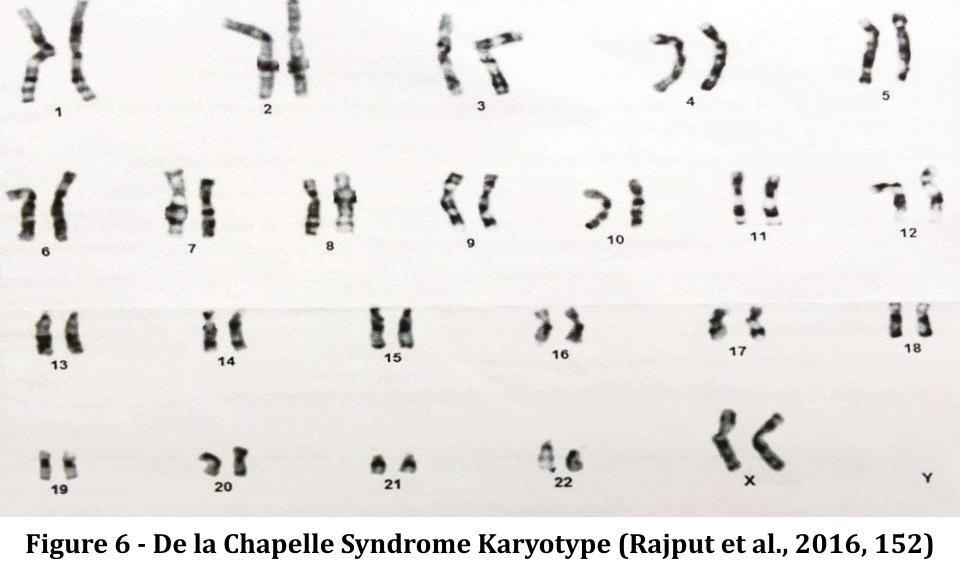
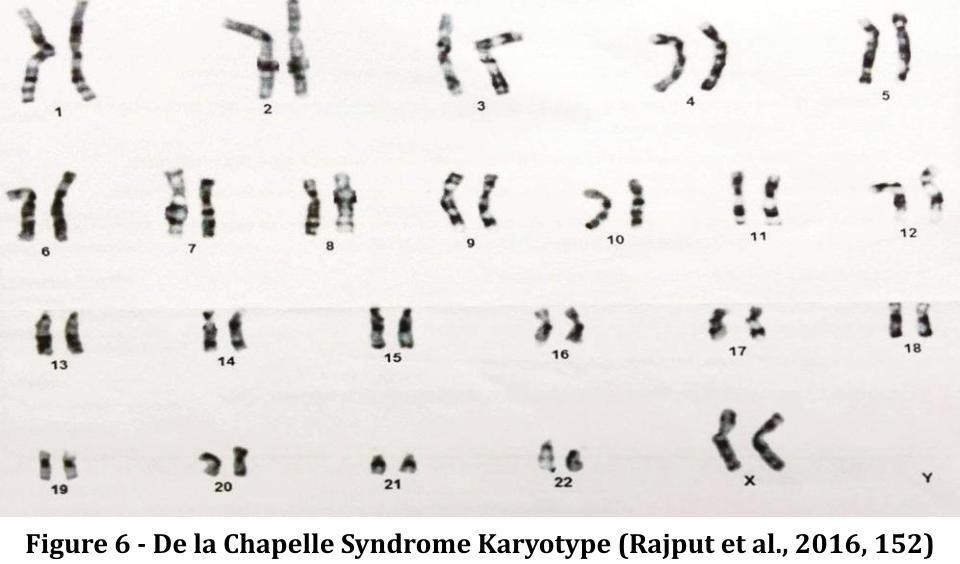
Chromosomal DSDs are less common than hormonal DSDs and often have more dramatic effects. One of these conditions is called de la Chapelle Syndrome. It is caused by an error with crossing over during meiosis where the SRY gene transfers to one of the X chromosomes during crossing over. This results in male sex determination with XX chromosomes. This SRY gene is unable to fully suppress the ovary-determining genes on the X chromosomes, which can cause non-standard genitalia along with infertility and undescended testes. Most people with de la Chapelle are raised as male since their sexual development is akin to theirs (Thaker et al., 2023, pp. 1–6).
Klinefelter syndrome is another chromosomal DSD caused by an extra X chromosome in the patient’s genome. They possess an XXY chromosomal makeup but often present as male due to the SRY gene. Patients have smaller testicles and produce little sperm due to issues with gene expression from their sex chromosomes. Those with Klinefelter syndrome are often not diagnosed until adulthood, as the earliest symptom before puberty is slow infant development (Mayo Clinic Staff, 2024).
Crossing over can also cause a lack of the SRY gene in patients with XY chromosomes, as seen in Swyer Syndrome. These patients develop female reproductive organs, including external and internal structures. While they tend to have a uterus, those with Swyer Syndrome do not have functioning ovaries and therefore can not produce eggs. This leads to infertility and irregular puberty as these non-functional ovaries cannot produce adequate amounts of hormones. Despite this, a person with Swyer Syndrome could become pregnant provided they have a uterus and an egg donor (MedlinePlus, 2022).
The rarest form of intersexuality is Ovotesticular DSD. Patients with Ovotesticular DSD uniquely present with both ovarian and testicular tissue. The gonads of these patients can present as ovaries, testes, or a combination called an ovotestis. Several genetic changes can cause this disorder, from SRY crossover to XX to duplications in testes-development genes like SOX9. What differentiates Ovotesticular DSD from other intersex disorders is the combination of male and female primary sex characteristics in the same individual (Özdemir & Kavak, 2019, pp. 1–4).
Conclusion
Some may say that these disorders are ‘unnatural’ and their classification as disorders disproves the spectrum-like nature of sex. I raise the question of the biological processes that develop sex. If it was intended to be a binary, it would be controlled by one mechanism that chose between male and female. But that is not the case. Sex is controlled by several different factors that, sure, can create bodies that are what we consider male or female. But it can also make bodies that are something in between.
Being intersex is as natural as being male or female. It is a result of our biology attempting to preserve genetic variation throughout dozens of generations. Intersexuality is not a rare thing, either. Planned Parenthood estimates that 1-2 in 100 people are intersex (Planned Parenthood, n.d.). That means that nearly 80 million people on Earth are intersex in some capacity. These people cannot be ignored simply because they are not the majority. Sex is still a spectrum even though most people fall on its extremes.
Sex is an ever-changing spectrum formed by the careful combinations of chromosomes and hormones that cannot be simplified to just male or female. Ignoring the existence of intersexuality not only ignores a key scientific discovery but also the reality that so many people are living. It is comparable to ignoring the existence of diabetes or cystic fibrosis. No matter what some politician or government tries to put into law, this is the truth. It cannot be ignored or simplified for the sake of an agenda. Our biology did not develop as an intricate masterpiece to be reduced to scraps for political gain.