
Mosquito-borne diseases continue to pose a substantial global public health burden, particularly in tropical and subtropical regions. Aedes aegypti is a highly effective disease vector responsible for transmitting dengue, chikungunya, Zika, and yellow fever viruses (Lim et al., 2025). Traditional mosquito control strategies rely heavily on chemical insecticides, which face increasing challenges due to resistance development, environmental concerns, and non-target effects (Weng et al., 2024). As a result, alternative and environmentally sustainable control methods are urgently needed.
Sterile insect technique (SIT) is a biologically based population control method that involves mass-rearing, sterilizing, and releasing male insects to reduce wild populations through unsuccessful mating (Bourtzis & Vreysen, 2021). SIT has been successfully applied to agricultural pests and is gaining traction as a viable approach for mosquito control (Bourtzis & Vreysen, 2021). However, irradiation-induced sterility often results in reduced male fitness, including diminished activity levels, mating competitiveness, and survival (Zhang et al., 2023). These fitness costs limit the efficiency of SIT, as released males must effectively compete with wild males for mates (Oliva et al., 2021).
Hormesis refers to a biological phenomenon in which low doses of a potentially harmful substance produce beneficial effects (Bondy, 2023). Ethanol, commonly recognized for its toxic effects at high concentrations, has been shown in various organisms to induce hormetic responses, including increased stress tolerance and metabolic activity at low doses (Diao et al., 2020). In insects, ethanol exposure has been linked to altered locomotion, metabolism, and stress-response pathways (Bouchebti et al., 2024). Despite this, the potential of hormetic ethanol exposure to mitigate irradiation-induced fitness costs in mosquitoes has not been evaluated, representing a key research gap.
The objective of this study was to determine whether pre-irradiation exposure to low concentrations of ethanol enhances the fitness of irradiated Aedes aegypti males. Fitness was assessed using locomotor activity (LAM) assays. Behavioral assays were conducted to characterize general male attraction patterns toward females. We hypothesized that pre-irradiation ethanol exposure would increase post-irradiation locomotor activity in male Aedes aegypti compared to irradiated controls, providing a potential strategy to improve sterile insect technique (SIT) outcomes.
Materials and Methods
Mosquito Rearing
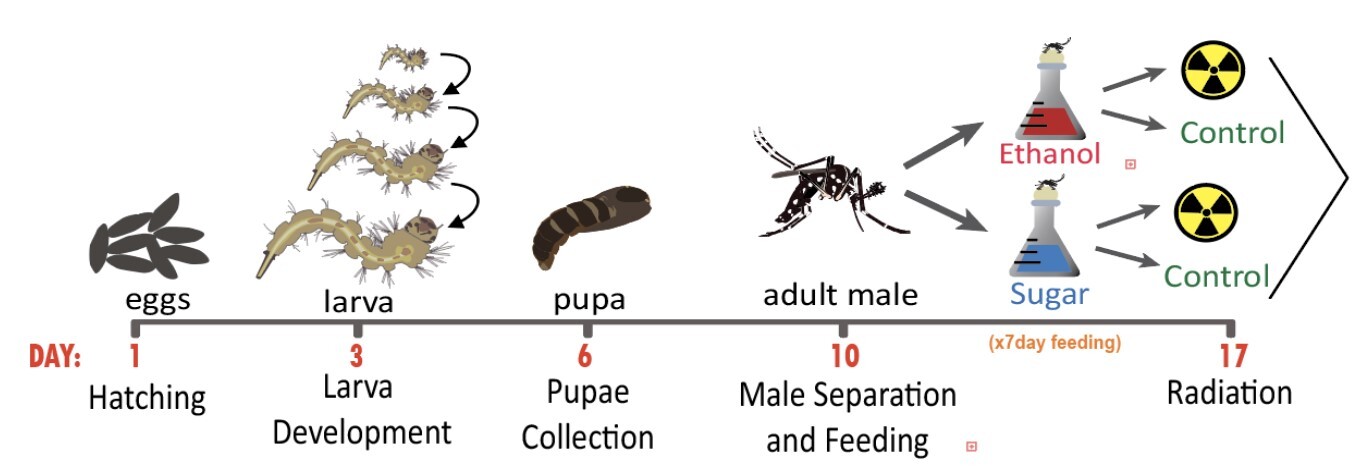
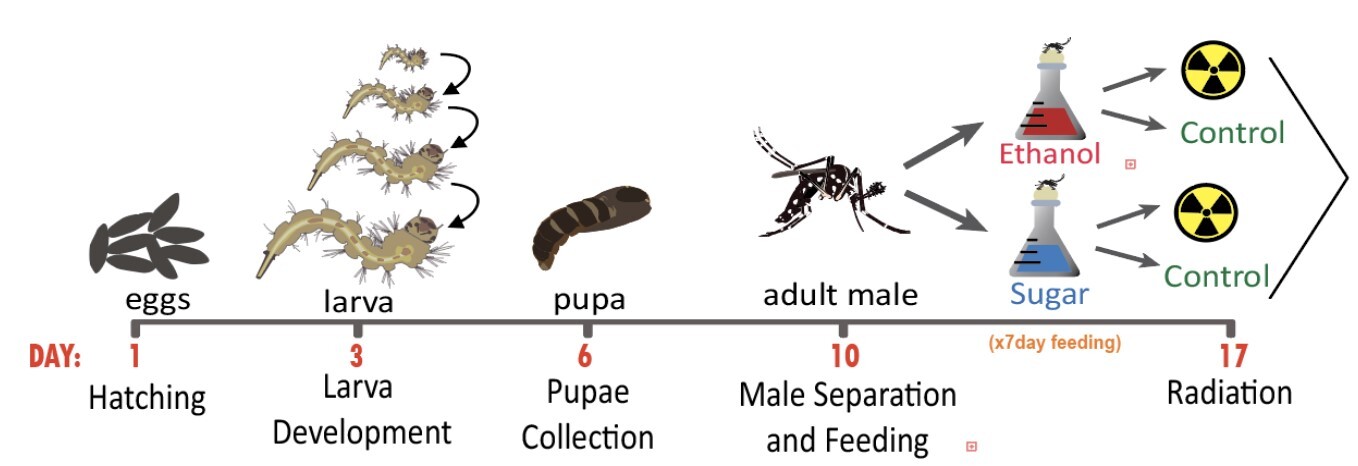
Aedes aegypti mosquitoes were reared under controlled laboratory conditions at approximately 26 °C and 67% relative humidity. Larvae were maintained at a density of approximately 600 larvae per 2000 mL of water and were fed three pellets of cat food per day until pupation. Upon emergence, adult males (1–2 days post-emergence, depending on emergence timing) were separated and housed in mesh cages with ad libitum access to sugar solution.
Feeding Treatments
Adult male mosquitoes were randomly assigned to one of two feeding treatments: (1) a control solution consisting of 20% sucrose, or (2) an experimental solution consisting of 20% sucrose supplemented with 5% ethanol. Males were not subjected to a starvation period prior to the start of feeding treatments. Feeding exposure lasted for 7 days following adult emergence, and males were 1–2 days post-emergence at the start of ethanol exposure. Treatments were administered prior to irradiation to assess potential hormetic effects of ethanol consumption.
Irradiation Procedure
Male mosquitoes were sterilized using a Multirad 350 X-ray irradiator at a dose of 50 Gy. This dosage was selected based on prior studies demonstrating effective sterility while maintaining survivorship (Chen et al., 2022). Following irradiation, mosquitoes were returned to controlled environmental conditions for behavioral assessment.
Locomotor Activity Monitoring
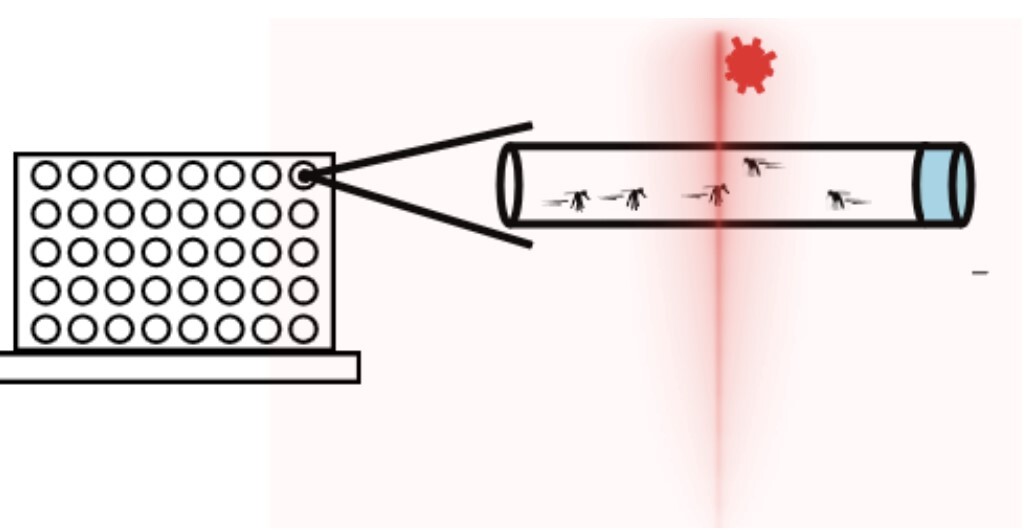
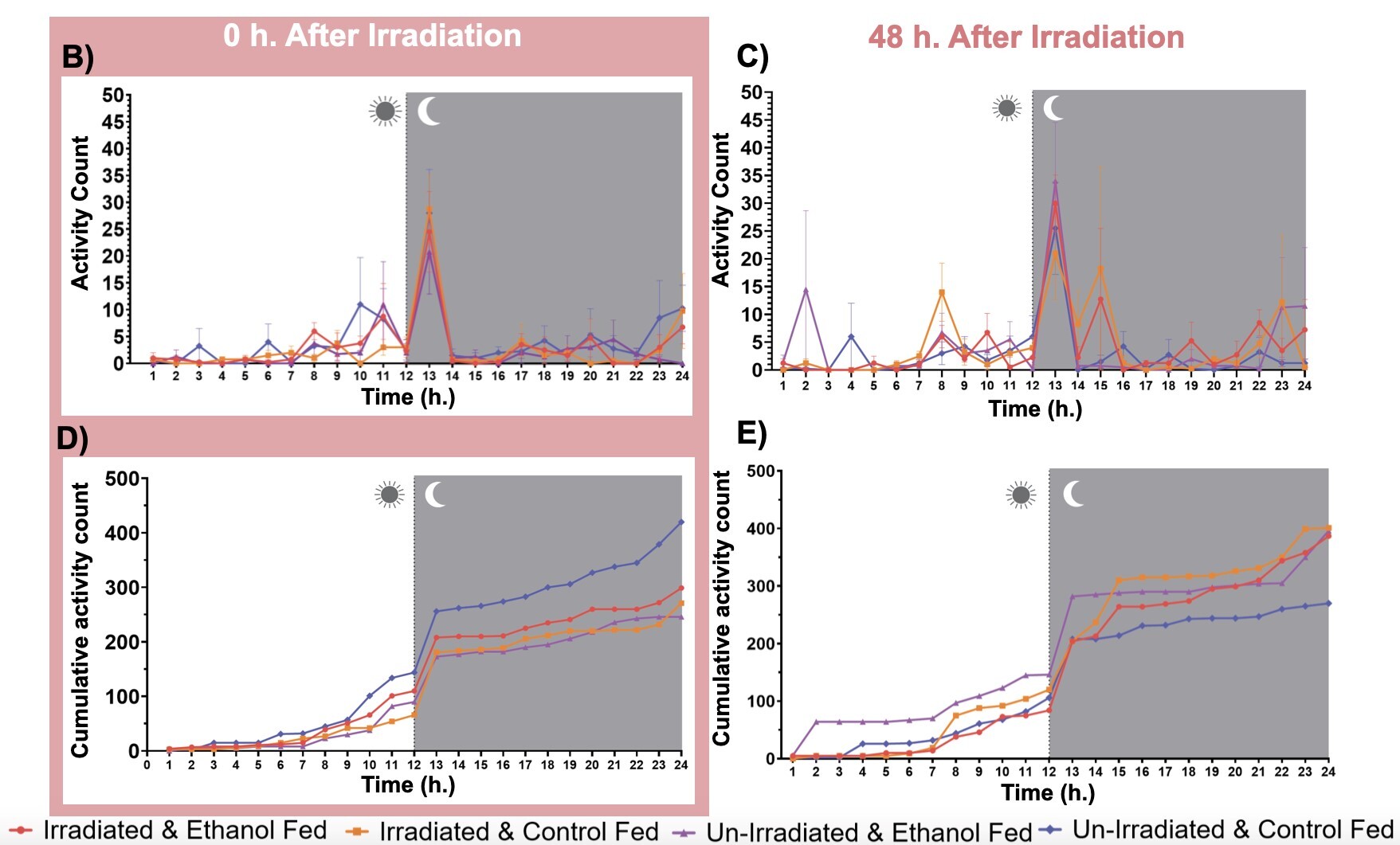
Mosquito activity was quantified using a locomotor activity monitor (LAM) assay. Individual males were placed into monitoring tubes, and activity was recorded continuously. Activity levels were measured immediately following irradiation and again 48 hours post-irradiation. Data were analyzed to compare cumulative and time-dependent activity between treatment groups.
_assay_used_to_quantify_mosquito_activity.jpg)
Behavioral Choice Assays
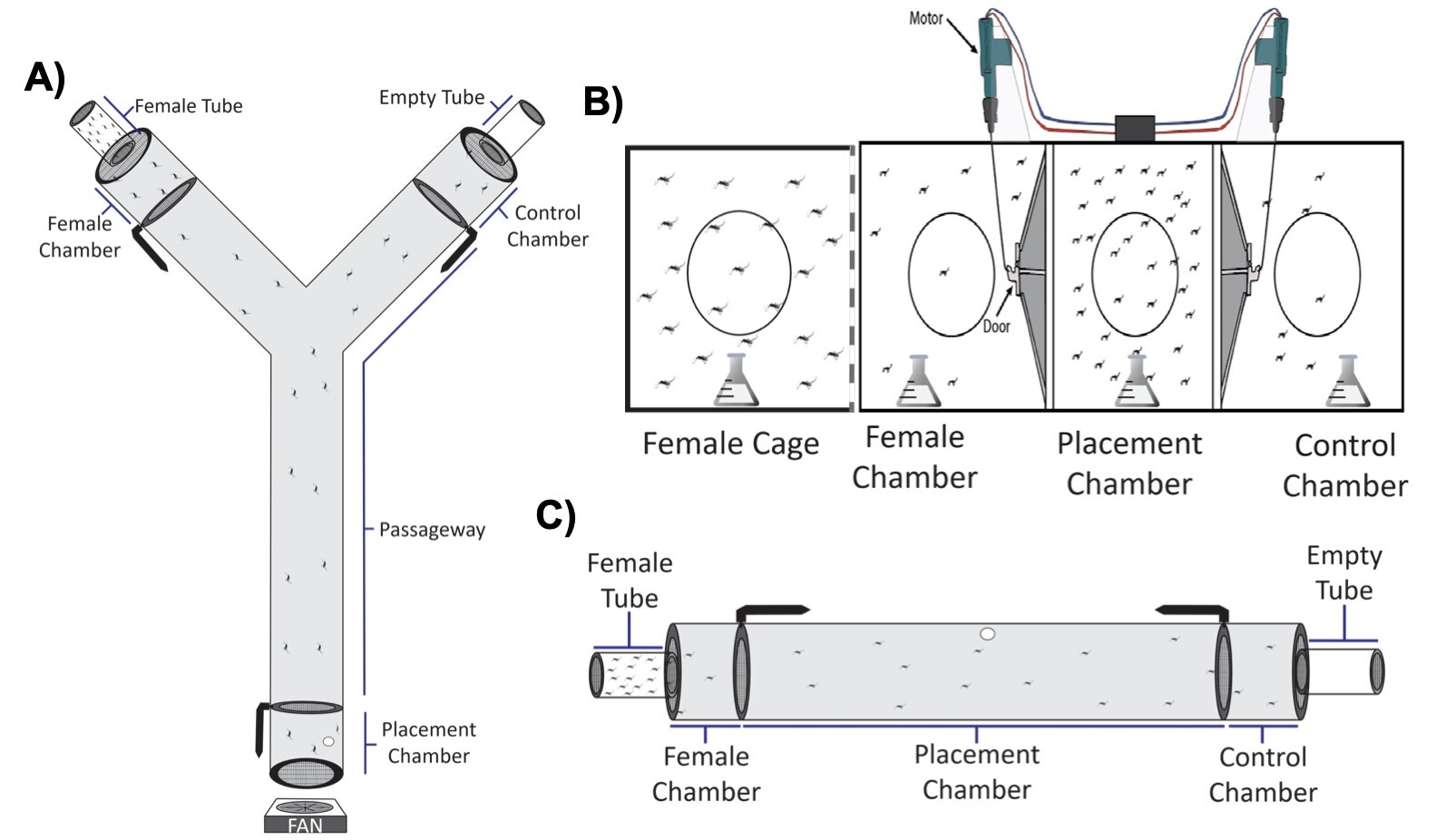
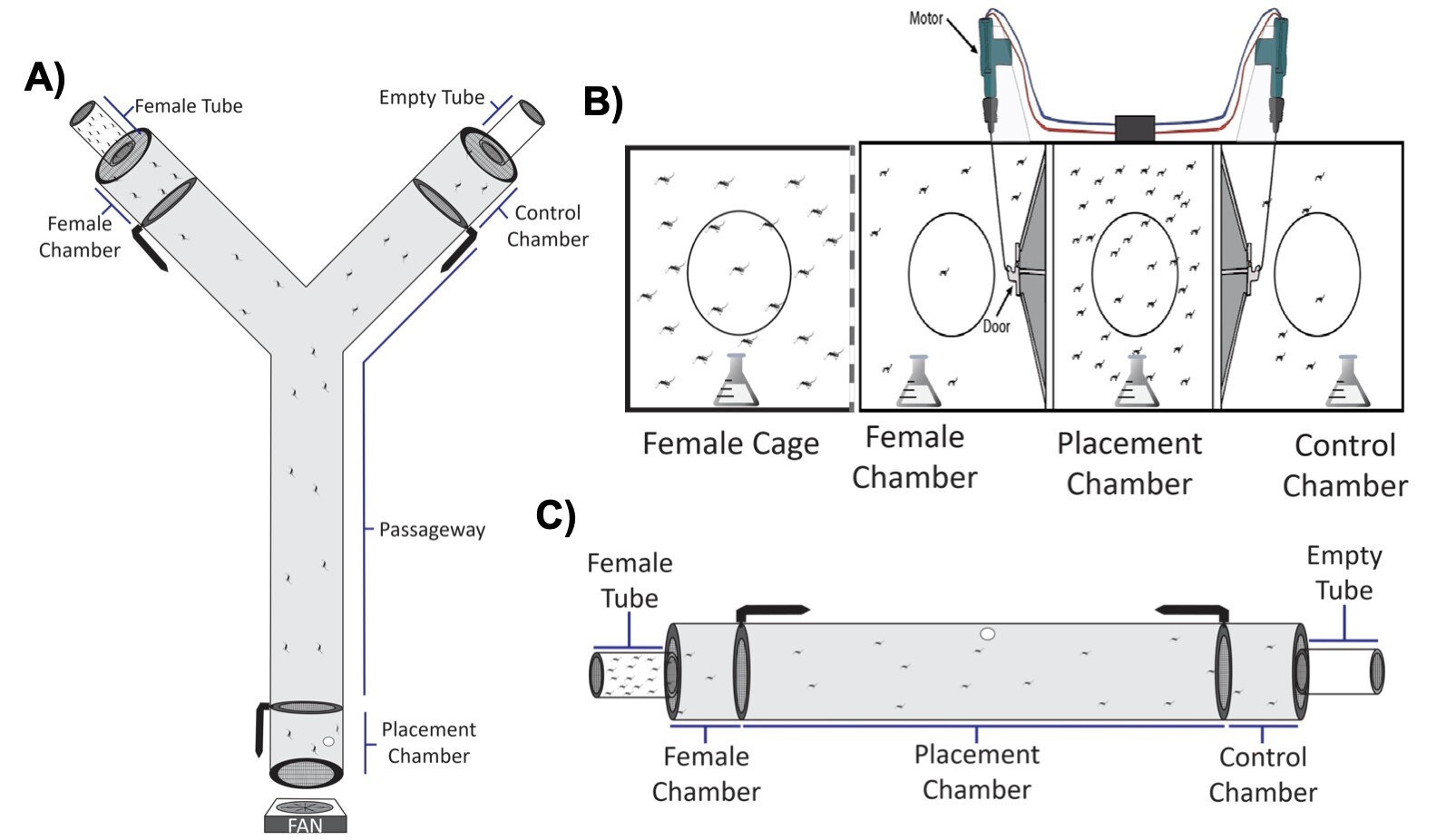
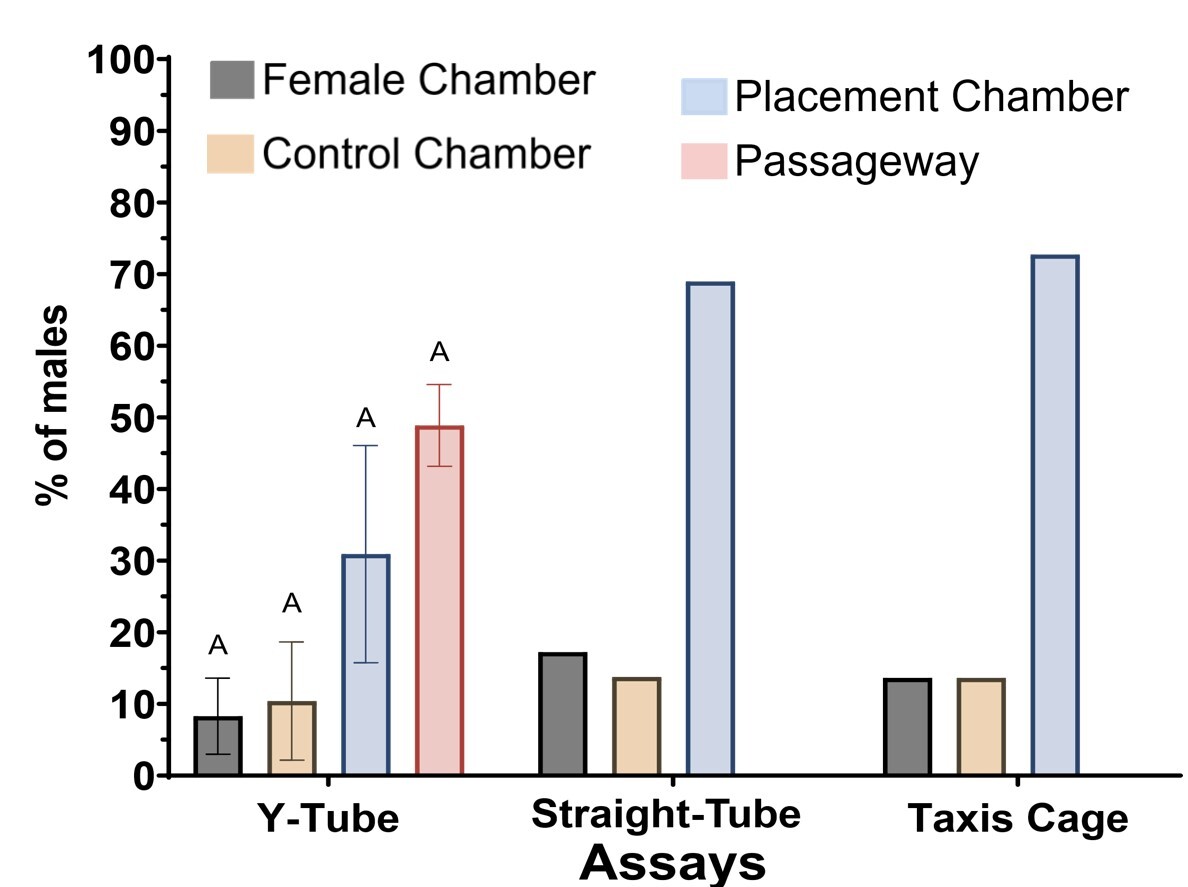
Behavioral choice assays were conducted using Y-tube, straight-tube, and taxis cage systems to evaluate male attraction to female Aedes aegypti. The taxis cage measured 32 × 32 × 32 cm.
Airflow conditions were controlled using a hot-wire anemometer to ensure minimal airflow during a 30-second acclimation period, followed by directed airflow at approximately 0.4 m/s using a fan to guide mosquito movement toward the stimulus.
Female mosquitoes used as olfactory and auditory stimuli were approximately two weeks old. Approximately 150 females were used in Y-tube assays, 130 in straight-tube assays, and 180 in taxis cage assays; mating status was not controlled. For Y-tube assays, 15–21 males per treatment were tested, straight-tube assays used 29 males per treatment, and taxis cage assays used 22 males per treatment. Each trial lasted approximately 2 minutes for Y-tube and straight-tube assays and 20 minutes for taxis cage assays. A “choice” was defined as the male’s final position on either side of the trap door at the end of the trial. Each male was used only once and was not reused across assays.
The Y-tube assay served as the primary behavioral test and was conducted across multiple replicates, while the straight-tube and taxis cage assays were performed once to confirm observed trends.
Statistical Analysis
Statistical analyses were performed using GraphPad Prism. For locomotor activity data, normality was assessed using the Shapiro–Wilk test. Differences between groups were analyzed using one-way ANOVA, with post hoc Friedman tests where appropriate. Behavioral choice data were also assessed for normality using the Shapiro–Wilk test and analyzed using one-way ANOVA followed by Tukey’s post hoc multiple comparisons test. Data are presented as mean ± SEM. Statistical significance was defined as α = 0.05.
Results
Locomotor Activity
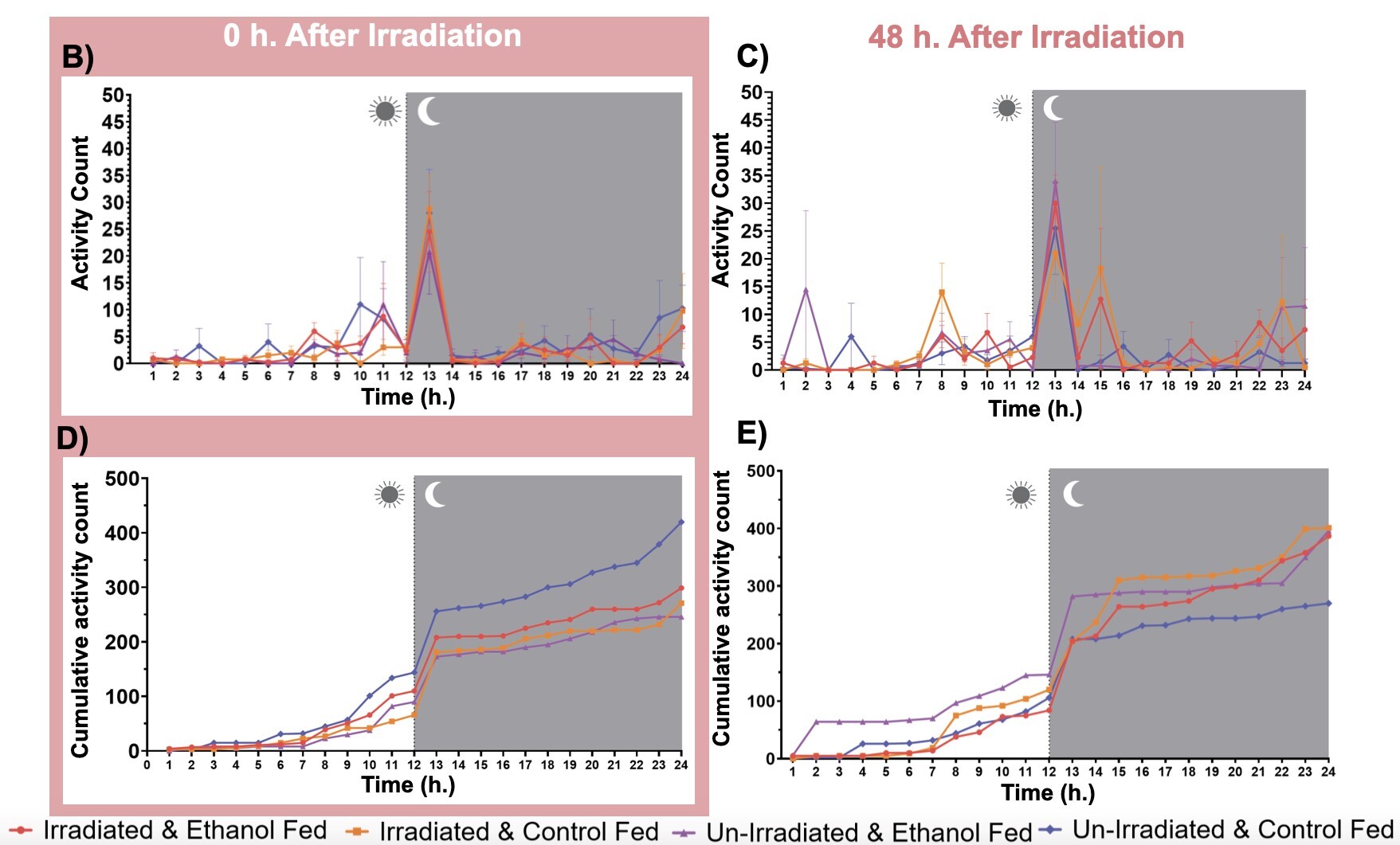
Locomotor activity was measured using a locomotor activity monitor (LAM) system. Individual males were placed into monitoring tubes containing approximately five mosquitoes per tube, with four biological replicates per treatment. Activity was recorded continuously over a full 24-hour light–dark cycle at two time points: immediately following irradiation (0–24 h post-irradiation) and 48 hours post-irradiation (48–72 h post-irradiation). Independent cohorts were used for each time point; individuals were not tracked longitudinally.
Activity was recorded as beam breaks, with data aggregated into 1-hour bins. Cumulative activity was calculated as the total number of beam breaks per hour and summarized across time bins. Measurements captured both light and dark cycle activity to assess circadian and treatment-dependent effects.
Behavioral Attraction
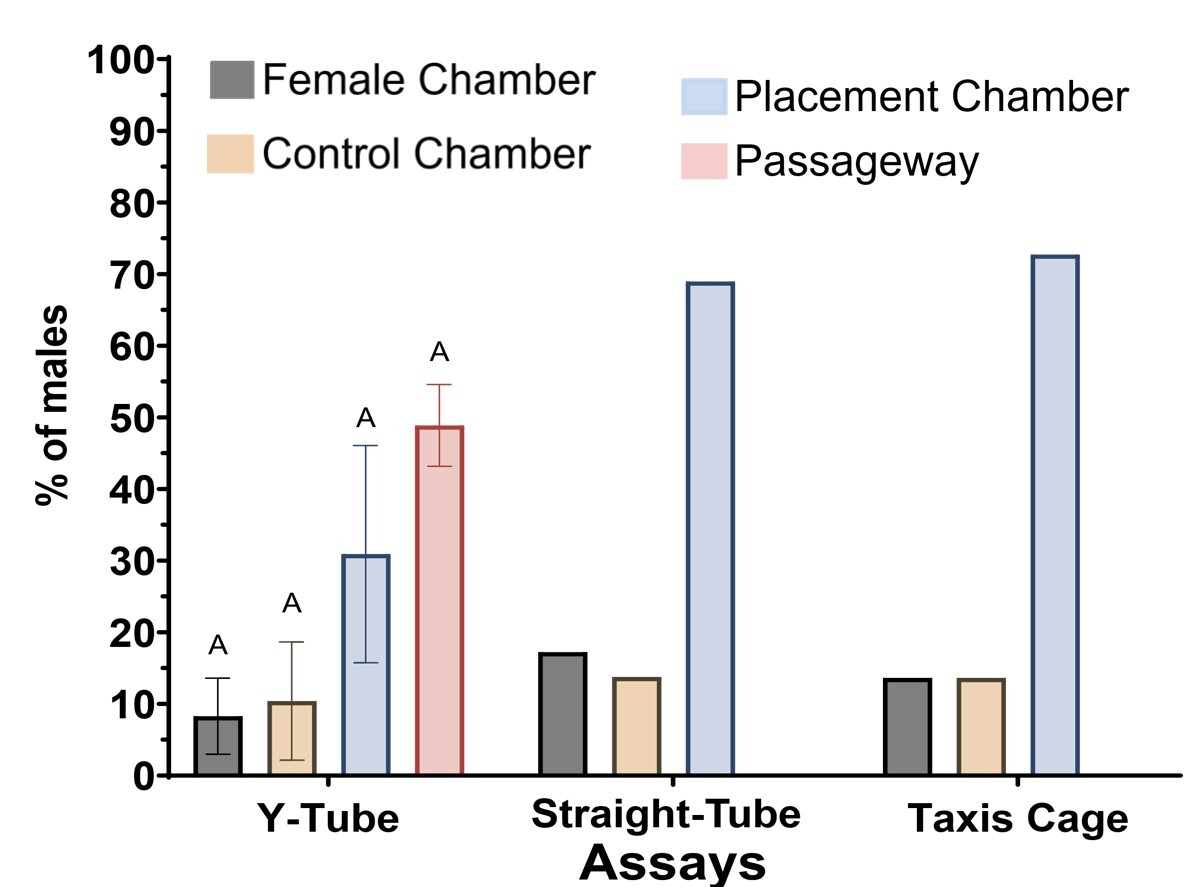
Behavioral choice assays revealed a strong overall preference structure in Aedes aegypti males, with only approximately 10–15% of individuals selecting the female-containing chamber, while the remaining 85–90% remained in the passageway or control placement chamber. This pattern was consistent across trials and did not vary significantly across experimental replicates.
Discussion
The results of this study indicate that pre-irradiation ethanol exposure may enhance locomotor activity in Aedes aegypti males and that attraction-related behavioral responses in male Aedes aegypti are insignificant. Increased activity observed 48 hours post-irradiation suggests improved post-sterilization physiological performance or recovery. Although we did not directly measure underlying mechanisms, previous studies suggest that ethanol exposure may influence metabolic processes, oxidative stress responses, or neural signaling pathways, any of which could contribute to elevated activity levels (Bouchebti et al., 2024). However, these mechanisms remain speculative within the context of this study, as they were not directly assessed.
Activity level is an important proxy for fitness, as more active males are more likely to encounter and court females in competitive mating environments (Araripe et al., 2018). In this context, the observed increase in locomotor activity may indicate a potential improvement in functional performance following irradiation. However, because mating success and reproductive outcomes were not directly measured, this interpretation remains indirect and requires further validation.
Behavioral attraction assays revealed a strong tendency for males to remain in non-choice zones, with only approximately 10–15% of individuals actively selecting the female-containing chamber and 85–90% remaining in the passageway or control chamber. This pattern was consistent across trials and suggests that under laboratory conditions, male orientation behavior may be inherently limited or influenced by assay constraints.
While increased locomotor activity may theoretically enhance encounter rates with females in more complex or semi-natural environments, this study did not directly measure mating success, survival, or dispersal. Therefore, the functional implications of increased activity for sterile insect technique (SIT) performance remain indirect. It is possible that elevated activity could improve spatial movement and encounter probability, but this cannot be confirmed without reproductive fitness measurements.
This study is limited by its controlled laboratory setting and reliance on short-term behavioral proxies. Key components of SIT effectiveness, including mating competitiveness, sperm transfer, longevity, and field dispersal, were not assessed. Additionally, only a single ethanol concentration and exposure duration were tested, and behavioral assays may have constrained natural mosquito responses, particularly given the high proportion of non-orienting individuals observed in attraction trials.
Future work should focus on semi-field or field-cage experiments that better reflect ecological conditions, as well as systematic variation in ethanol dose and exposure duration. Incorporating direct measures of reproductive success and survival will be essential to determine whether ethanol-induced increases in activity translate into meaningful improvements in SIT performance.
Overall, these findings suggest that ethanol supplementation prior to irradiation may enhance certain aspects of male physiological performance, particularly locomotor activity. However, further validation under ecologically realistic conditions is required before this approach can be considered for operational application in SIT programs.
Implications
Improving the performance of irradiated male mosquitoes is a critical objective for sterile insect technique (SIT) programs. Ethanol supplementation represents a simple, low-cost dietary modification that may enhance locomotor activity without altering attraction behavior or requiring genetic modification.
However, implementation at operational scale would require careful evaluation of feasibility in mass-rearing systems, including consistency of ethanol delivery, potential impacts on colony maintenance, and logistical or regulatory considerations associated with incorporating ethanol into large-scale feeding protocols. While the observed increase in activity is promising, its direct relevance to SIT success remains unconfirmed until mating competitiveness and field performance are assessed.
Conclusion
This study demonstrates that pre-irradiation exposure to low concentrations of ethanol increases post-irradiation locomotor activity in Aedes aegypti males. These findings suggest that ethanol supplementation may improve certain components of male physiological performance following sterilization. However, behavioral attraction remains largely unchanged and overall responsiveness to females is low under laboratory conditions. The functional relevance of these findings to sterile insect technique programs remains to be validated through direct measures of mating success, survival, and field-based competitiveness.