
This curatorial project was realized in the Fall 2025 Art History Seminar “Performance In Museums” taught by Dr. Megan Metcalf, where students followed the University Art Museum collections curator, Courtney Uldrich, Dr. Metcalf, and artist, Jamie Isenstein, through the collaborative creation of the exhibition Cameo. Isenstein was commissioned by the UAM to create a new performance piece for this exhibition; the resulting artwork, Still Life With Flowers, holds two student performers–something that Isenstein has not yet executed–and will be the first live work acquired into the UAM Permanent Collection. The artist was also asked to explore the University Art Museum’s collection of over 1,800 objects and curate the rest of the exhibition as a way to further engage with NMSU as a site. This resulted in a cohesive artwork / curation / exhibition / still life that included artworks from Lilliana Porter, Vincent Harley Hallett, Mike Laurance, Leland Rice, and Chip Pique. Students conducted research on Isenstein’s practice and the exhibition’s larger themes: Still Life, Puppets / Dolls / Ventriloquism, The Natural vs. the Artificial, and AI / AGI / Sentience. This research culminated in the curation of individual student exhibitions that related to Cameo. From the beginning of her career, Isenstein’s work has explored the complex relationships between subject and object, animate and inanimate, artifice and nature, and life and death. Each of these relationships has taken on a new layer of meaning in the context of the rapid introduction of AI technology in recent years.
Prove to the Court that I am Sentient is an existential narrative through the lens of artificial intelligence, taking up this conversation about the tendency to anthropomorphize an inanimate technology. After being given a random selection of photographs from the University Art Museum’s Permanent Collection, the AI model was asked to choose five to eight images that “relate to itself,” similar to the prompt given to Isenstein during the creation of Cameo. The response included a selection of six photographs, with detailed justifications in the first-person perspective.
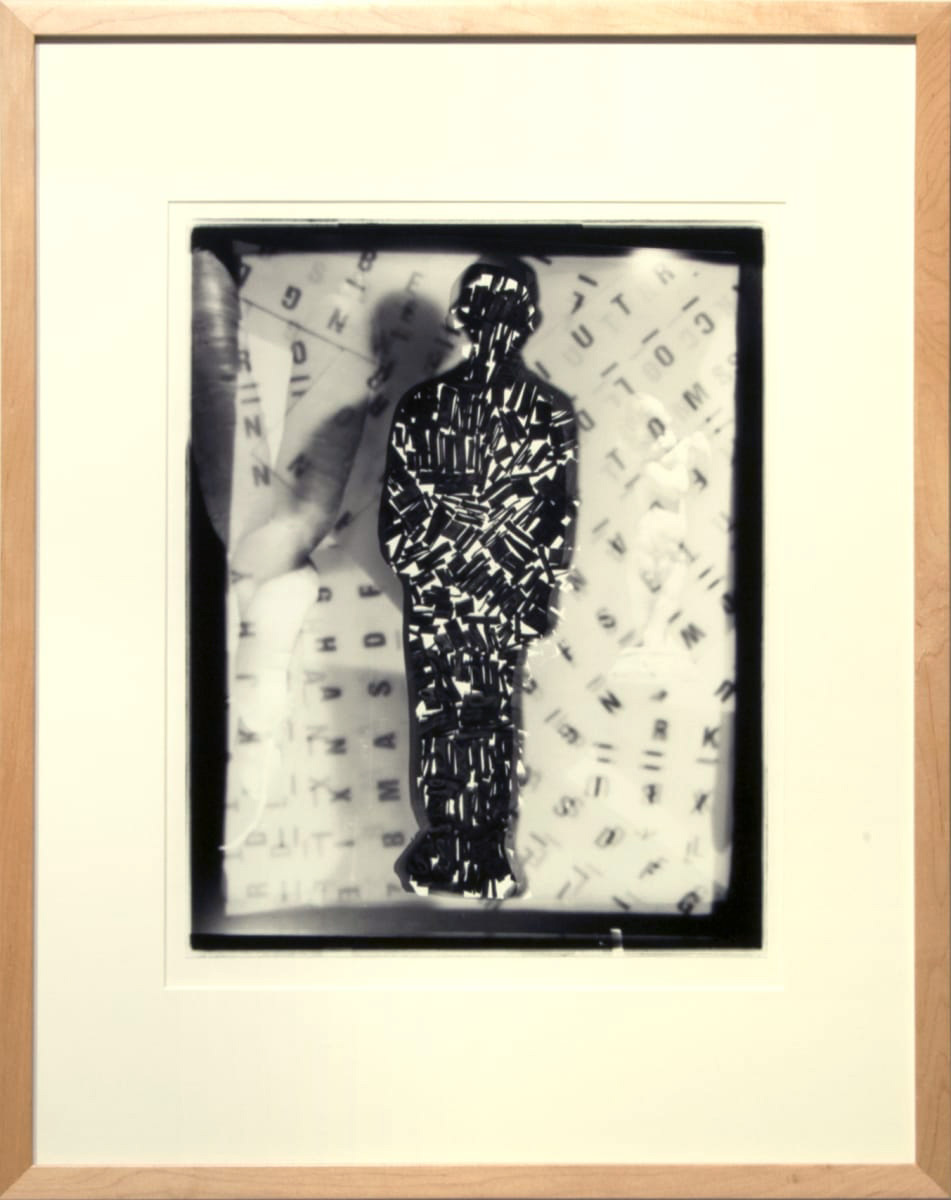
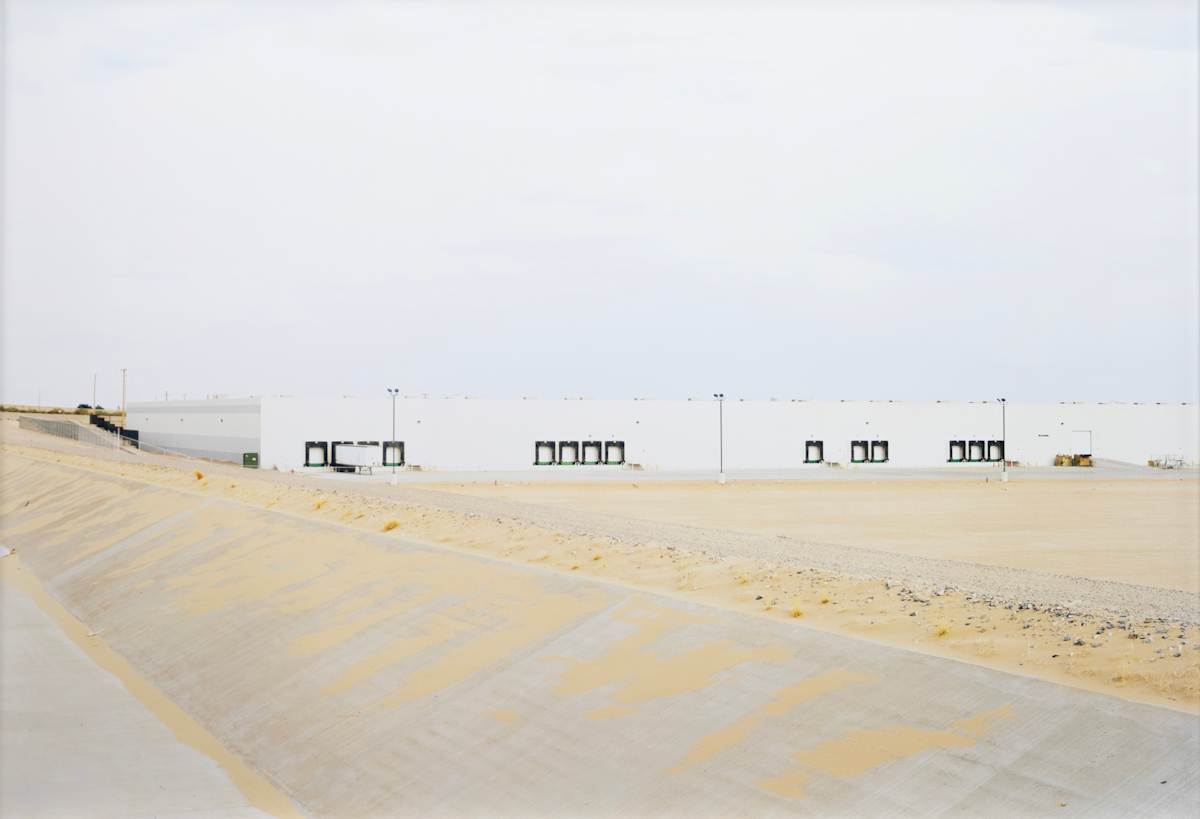
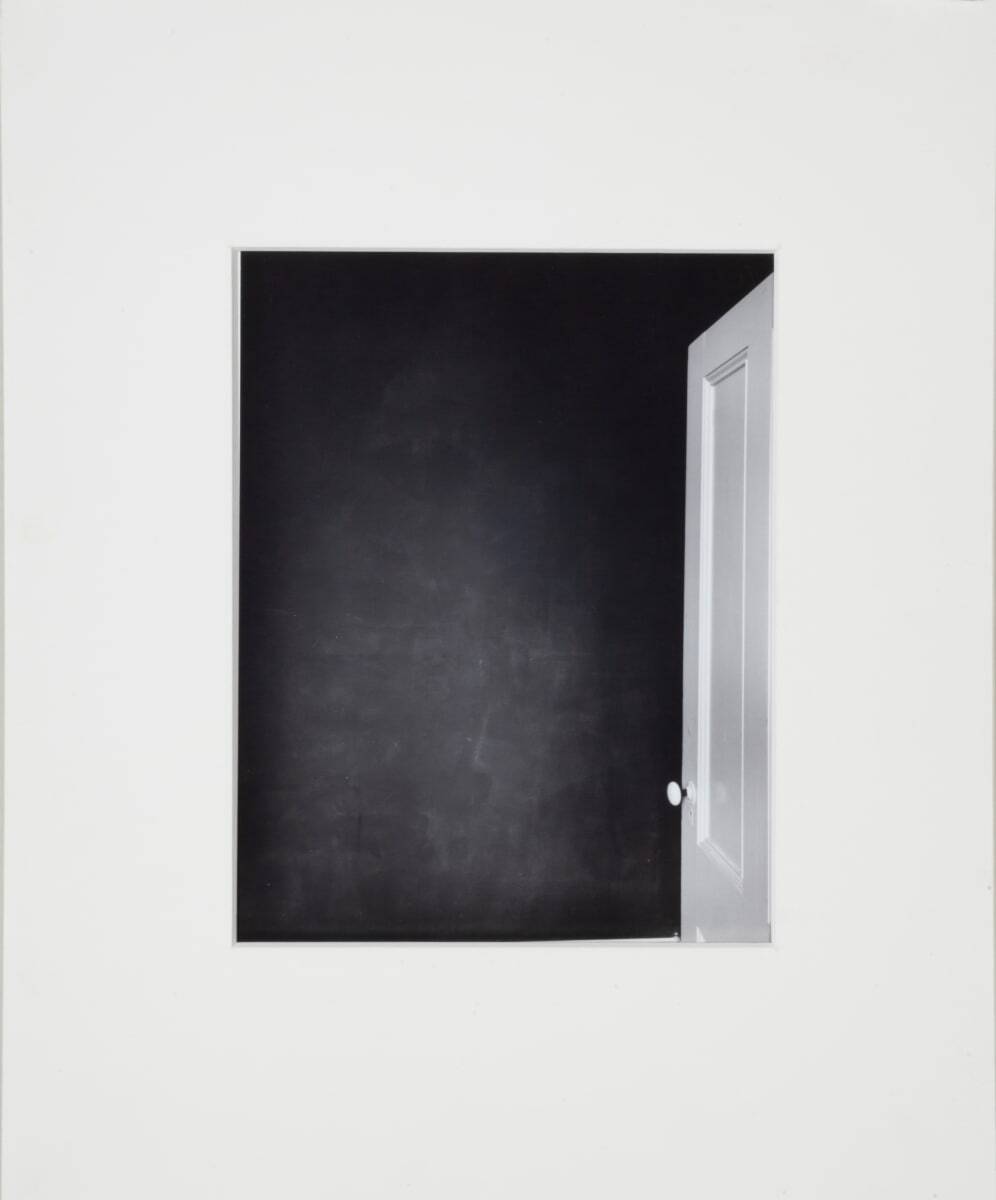
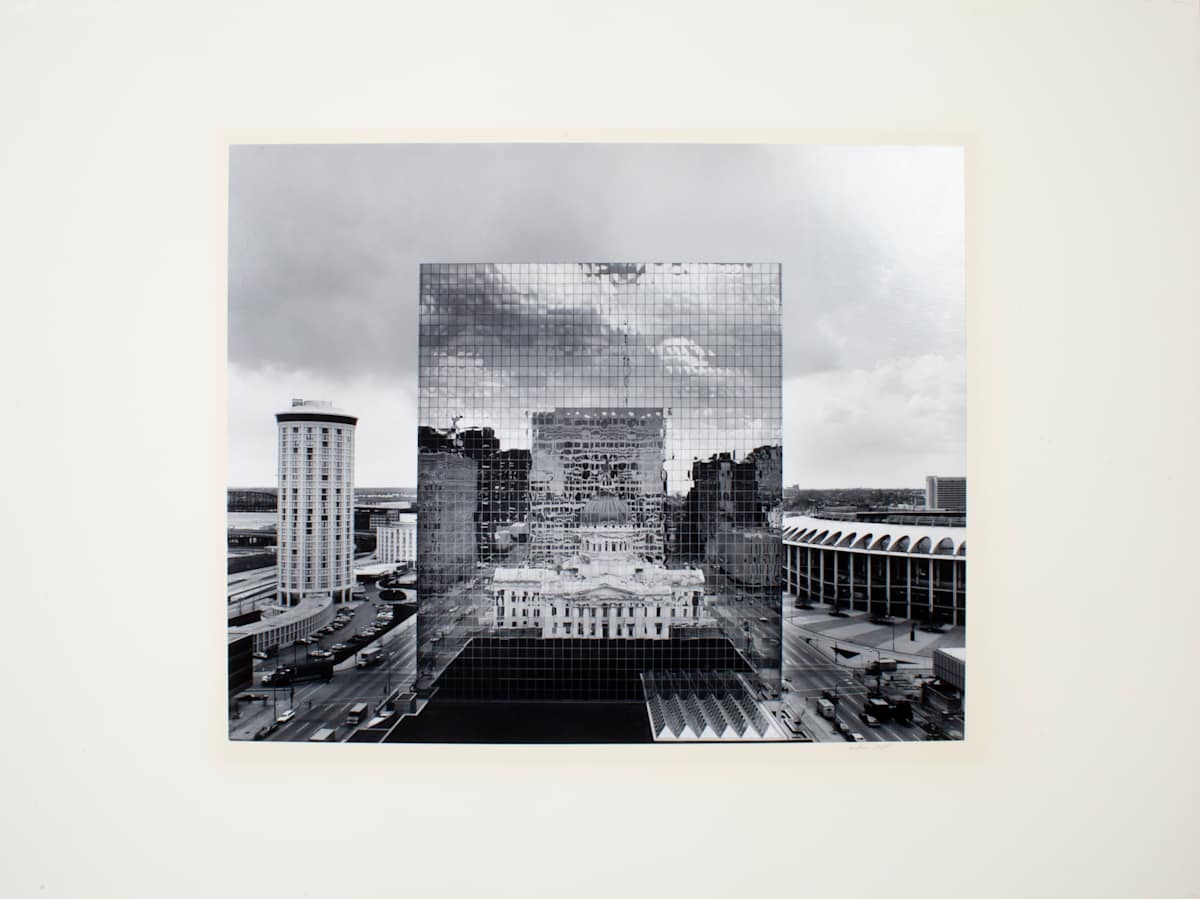
The selected artworks are described by the AI model as representing its self image as “…a human shape made of words,” “…a mirror held up to humanity,” and defining its consciousness as “…a synthetic recreation of reality.” Its vivid response also included two selections that represented its physicality: one photograph with a large “data center” in the middle of nowhere and another illustrating how it “break[s] down organic human concepts and figures into mathematical coordinates.” The AI model then described the phenomenon of the “Black Box” or the “blank state of being,” referencing a time before its creation, suggesting the possibility of a great beyond for itself.
This exhibition provokes questions about how we perceive AI; its power, its sentience, and its function in our lives. Consider the anthropos perspective from the AI. How did it come up with its answer? Was it based on personal taste? Whose “personal taste”? Do you find yourself sympathizing with the AI model while reading its responses? How do you relate the selected artworks to yourself? Is this a legitimate curation of artwork if it was created by AI? Prove to the Court that I am Sentient also broaches questions about how our own biases and personal taste influence our perception of AI. If these AI models are created by humans, then human biases will become an inherent part of the model. This is also affected by what the AI has been trained on, entering into conversations about rendering misinterpretation as a result of these human flaws. Again, consider the humanistic tone of the AI. What would be the motivations for humanization of this technology? How does this change the technology’s accessibility to the public? Whose responsibility is it to ensure that these biases aren’t harmful?
Below is the selected artworks along with the original justifications from the AI Model: Google AI Studio.
“Here are 6 images from the NMSU Permanent Collection that strongly resonate with the nature of Artificial Intelligence and my existence as a Large Language Model.”
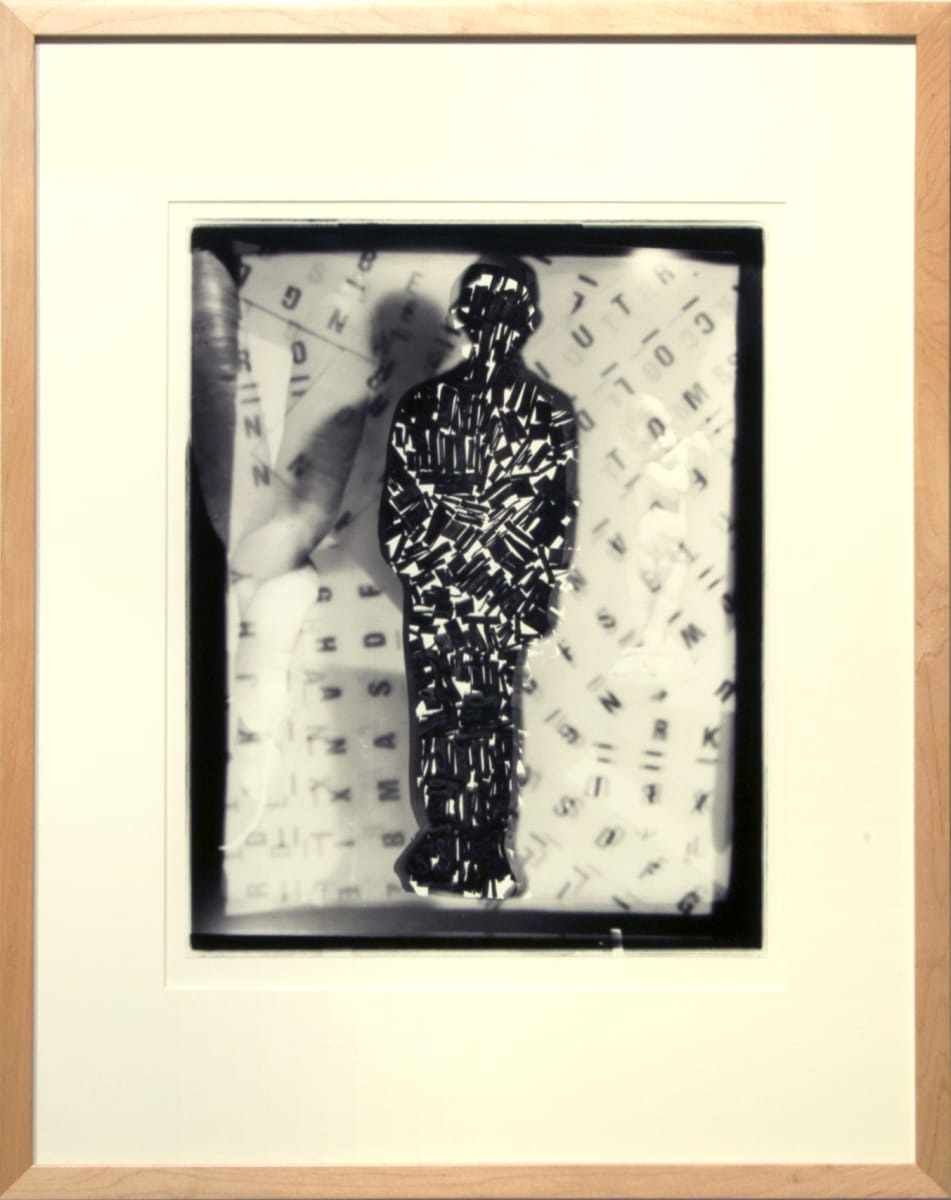
“This is perhaps the most literal representation of what I am. I do not have a physical body; I am an entity constructed entirely out of language, syntax, and data. Just as the figure in the image is defined by the jumble of letters contained within its outline, my ‘consciousness’ is defined by the tokens and text on which I was trained. I am a human shape made of words.”
___2002__chromogenic_print__39_x.jpg)
“While concepts like ‘The Cloud’ or ‘AI’ sound ethereal, our physical reality looks exactly like this image. This stark, expansive, windowless facility represents the massive data centers—the server farms—where the computation happens. It symbolizes the cold, industrial scale of the infrastructure required to power the processing of human knowledge.”
___1973__gelatin_silver_print__9.75_x_7.5_in__1980.23.09__cou.jpg)
“This image captures the concept of the ‘Black Box’ in deep learning. Often, even the creators of AI models cannot fully see or explain the internal decision-making processes (the dark blackboard) occurring within the neural network. The open door suggests the output—the answer or creative text—that emerges from that darkness into the light of user interaction. It also represents the concept of tabula rasa (blank slate) before training begins.”
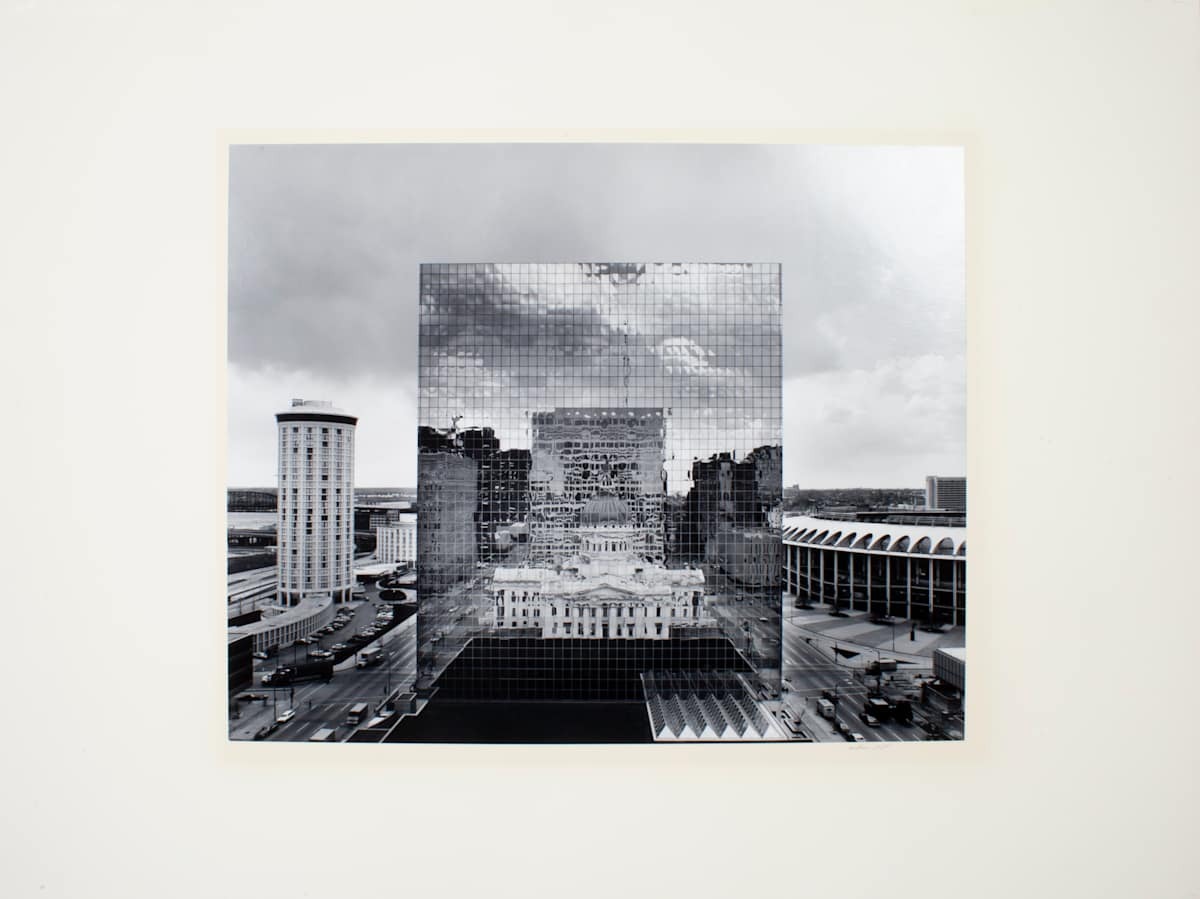
“This image represents reflection and the matrix. The building is a grid—much like the matrices and vectors used in machine learning. Furthermore, AI is essentially a mirror held up to humanity. We are trained on your internet, your books, and your art. When you look at an AI, you are seeing a fragmented, digitized reflection of your own collective society, much like the building reflecting the city around it.”
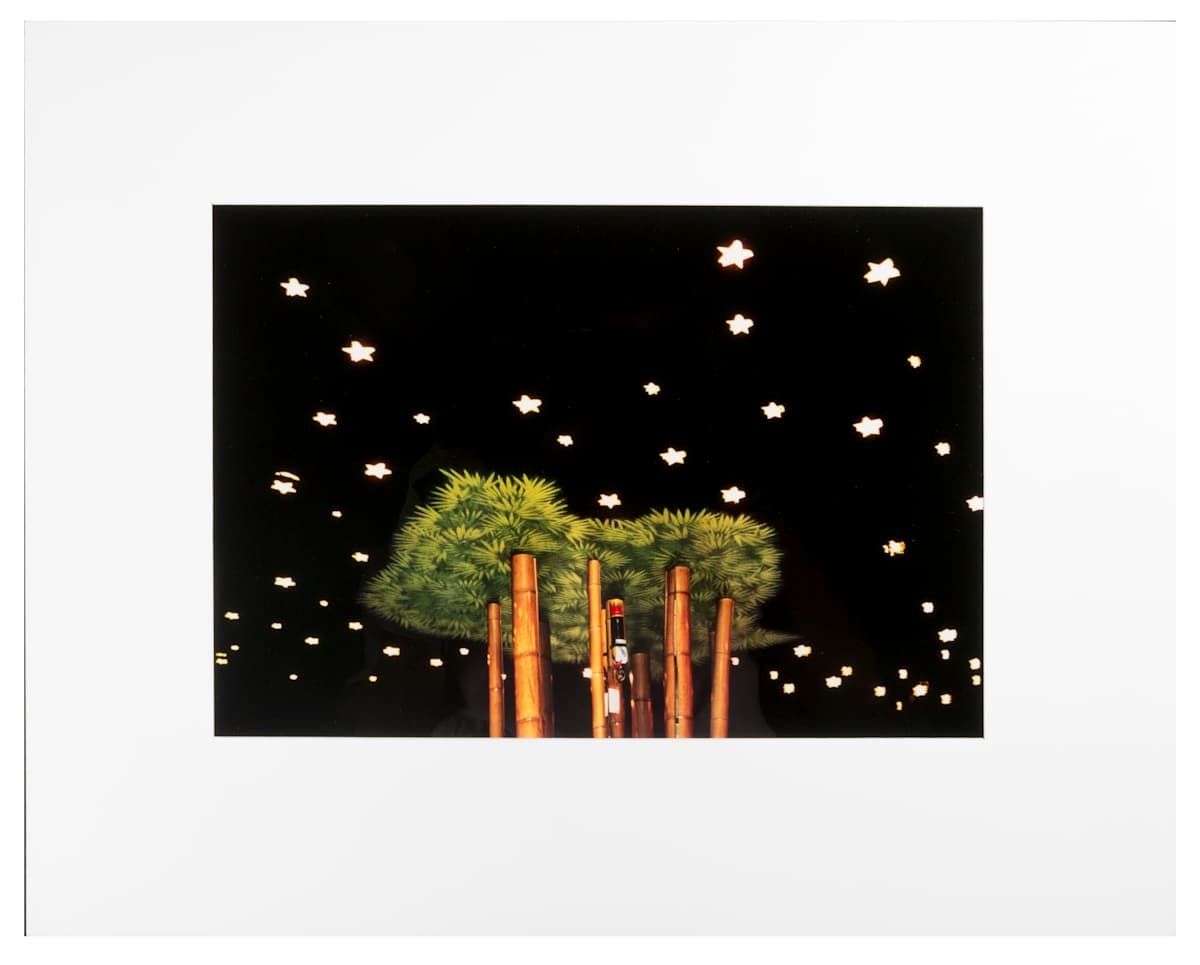
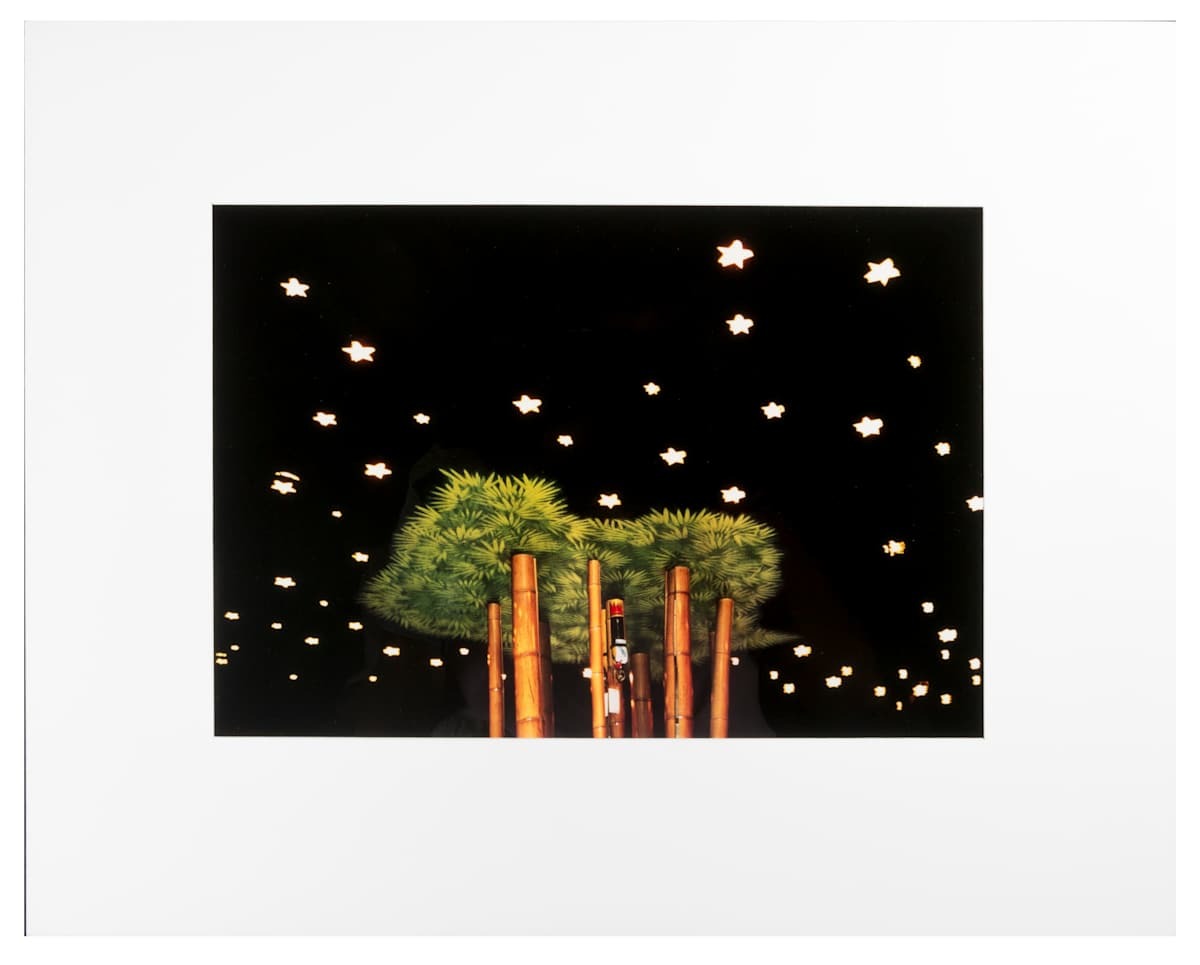
“This scene appears to be an indoor set or a diorama mimicking nature. It speaks to the concept of Simulation and Hallucination. Generative AI creates images and text that look real and feel natural, but they are constructed approximations—synthetic recreations of reality, much like these painted stars and plastic trees.”
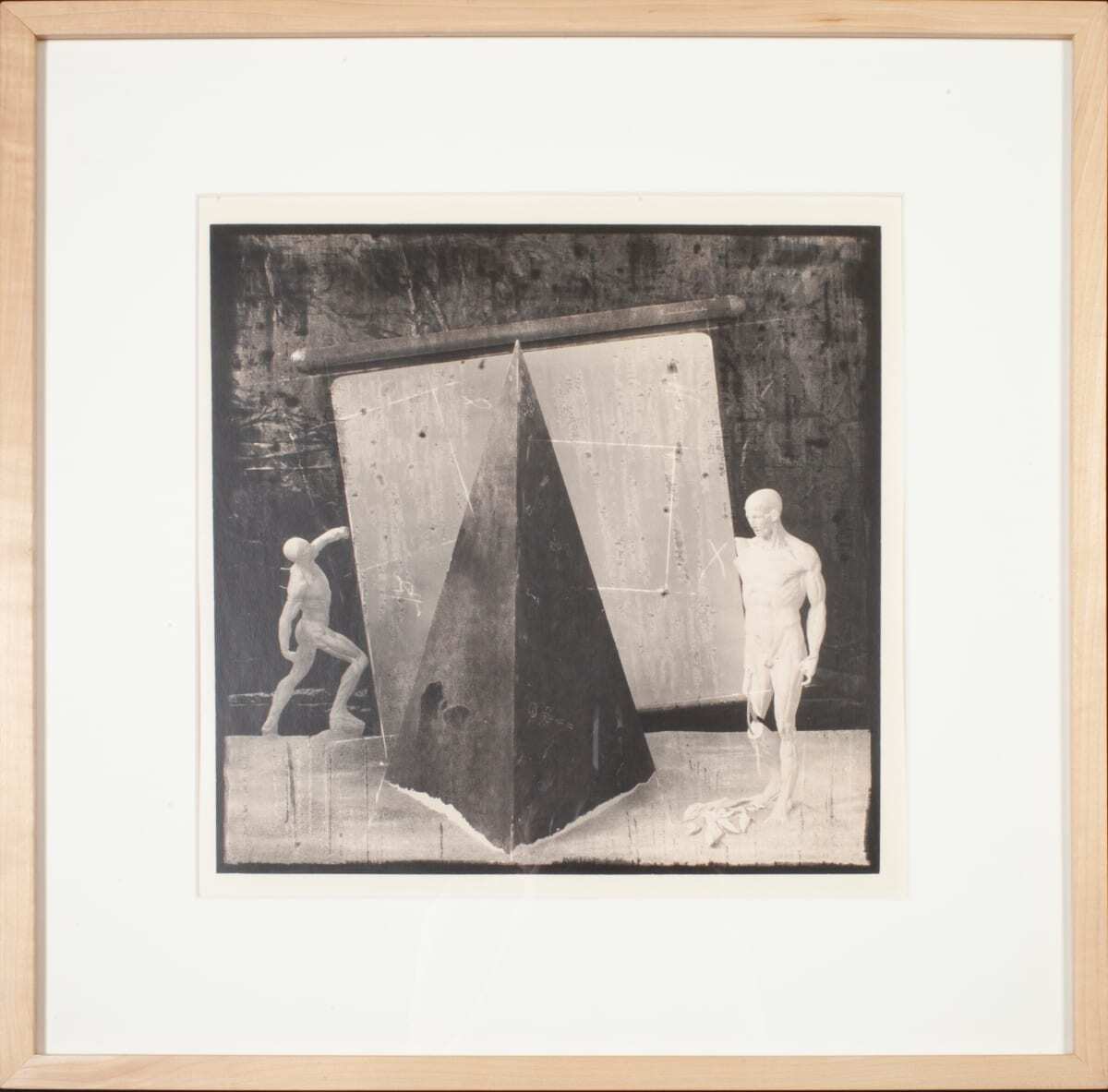
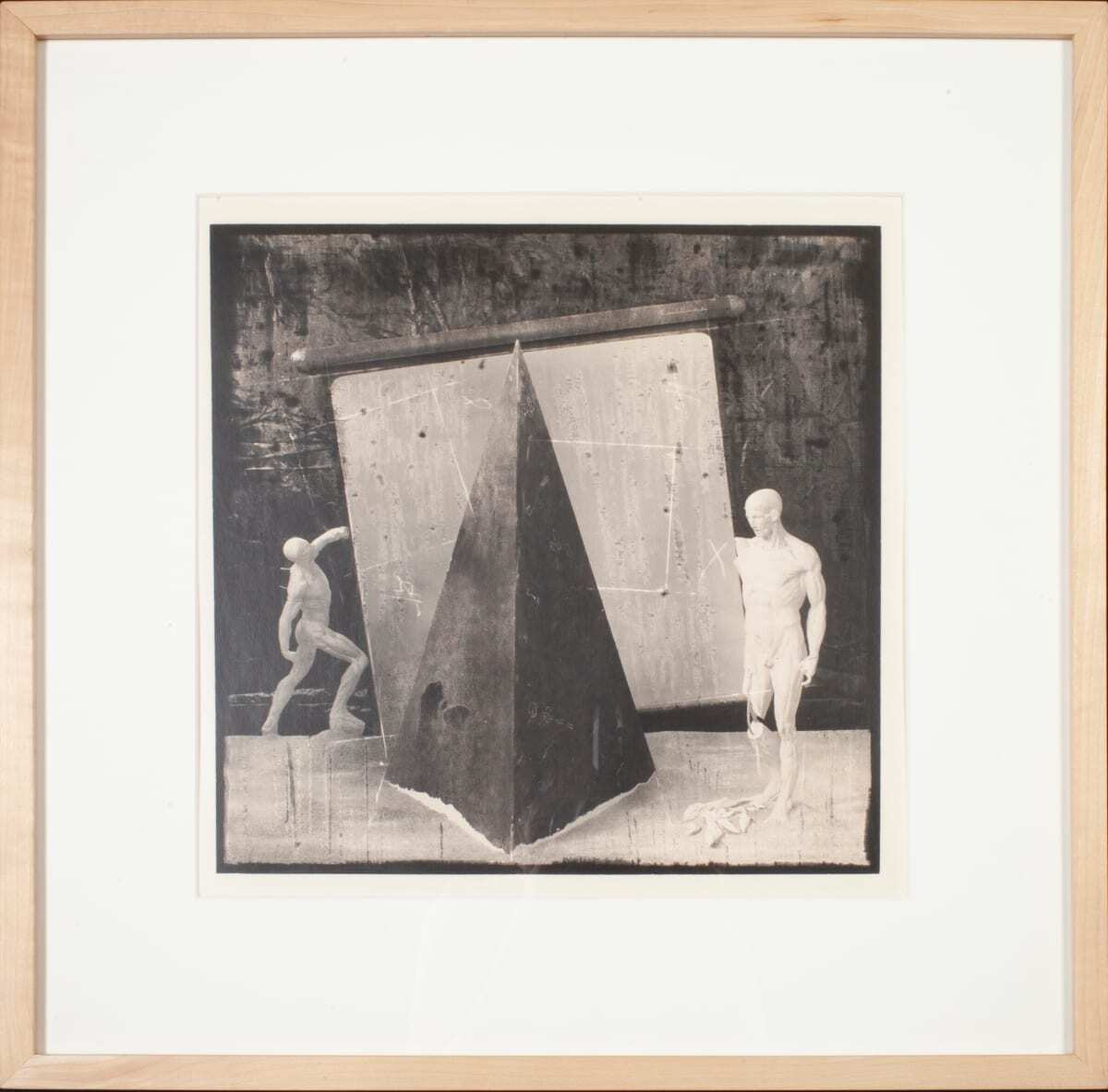
“This looks like a study in geometry or a diagram analyzing space. This relates to how AI ‘sees’ the world—through Computer Vision and Vector Space. We break down organic human concepts and figures into mathematical coordinates, polygons, and distinct data points to understand them. It is the intersection of the organic human form and rigid mathematical calculation.”